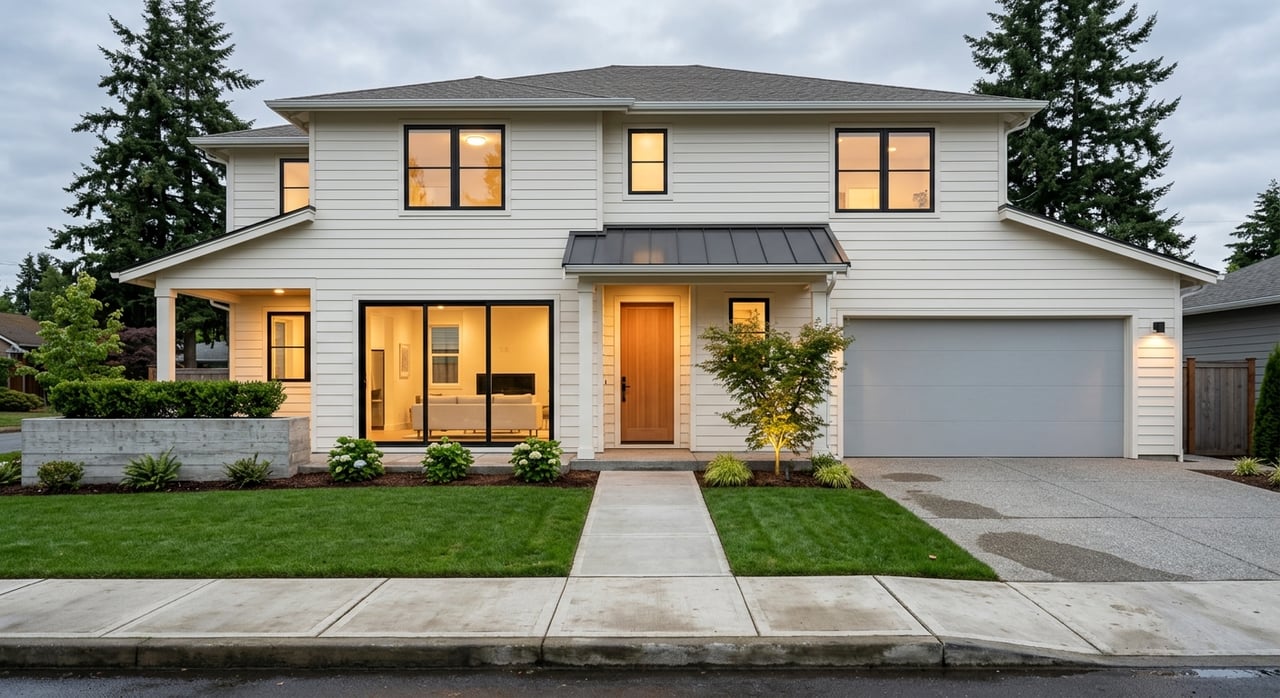
Bellevue Neighborhoods for Homebuyers: What to Compare
June 4, 2026
June 4, 2026
If you have started looking at Bellevue homes, you have probably noticed one thing fast: Bellevue is not one simple market. A condo in Factoria, a townhome in Downtown Bellevue, and a larger home in West Bellevue can sit in very different price ranges and offer very different daily routines. If you want to buy with more confidence, it helps to understand how Bellevue neighborhoods differ before you fall in love with a listing. Let’s dive in.
Bellevue is organized into 16 distinct neighborhood areas, and the city notes that each one has its own mix of parks, trails, stores, natural features, and housing. That matters because your experience as a buyer can change a lot depending on where you focus.
The citywide median sale price was about $1.55 million over the three months ending April 2026. But neighborhood-level medians ranged from under $500,000 in some condo-heavy areas to more than $2 million in some established hill and waterfront areas. In other words, narrowing your search by neighborhood is often the smartest first step.
One helpful way to compare Bellevue neighborhoods is by broad price tier. These figures are best treated as directional snapshots, not fixed values, because some areas have smaller recent sales counts and more condo-driven pricing.
If you are looking for a lower entry point in Bellevue, Factoria, Crossroads, and parts of Downtown Bellevue usually rise to the top. In the current data, Factoria is around $389,000, Crossroads around $520,000, and Downtown Bellevue around $968,640.
These areas often include more condos and townhomes, which can create more accessible pricing than single-family-heavy neighborhoods. They can also shift more from month to month, so it helps to look beyond one headline number and study the current listing mix.
Bellevue also has several neighborhoods that sit closer to the citywide median. Newport is around $1.30 million, Wilburton around $1.33 million, Lake Hills around $1.45 million, Northeast Bellevue around $1.53 million, and Woodridge around $1.67 million.
These areas often give buyers a mix of housing types and a more suburban feel. If you want more space than a typical urban condo but are not targeting Bellevue’s highest price bands, these neighborhoods are often worth comparing side by side.
At the upper end of Bellevue, Somerset, Bridle Trails, Northwest Bellevue, and West Bellevue stand out. Current median sale prices are about $1.89 million in Somerset, $2.10 million in Bridle Trails, $2.10 million in Northwest Bellevue, and $2.22 million in West Bellevue.
These neighborhoods tend to attract buyers looking for larger lots, established settings, or luxury positioning. If your search includes executive homes, lake-oriented areas, or more expansive residential streetscapes, this is where you often start.
Price matters, but so does how a neighborhood feels day to day. Bellevue’s neighborhoods differ in density, housing stock, green space, and how easily you can get around.
Downtown Bellevue is Bellevue’s primary economic and employment center and its fastest-growing residential neighborhood. The city describes it as walkable and energetic, with strong access to retail, dining, parks, and arts venues.
For buyers, that usually means an urban lifestyle and a housing mix that leans toward condos and townhomes. Redfin shows a median sale price of about $968,640, a Walk Score of 73, and a median market time of 25 days, which fits buyers who want a more car-light routine.
Wilburton sits next to Downtown Bellevue and works as more of a transition zone. The city describes it as a historic enclave with both single-family and multifamily housing, along with parks and wooded areas.
That mix can appeal if you want to stay close to downtown activity without living in the heart of it. Current data shows a median around $1.33 million, with a lower Walk Score than downtown and a more car-dependent profile, though transit still plays an important role.
West Bellevue is one of the city’s most established historic areas. It includes places such as Enatai and Meydenbauer Point, along with waterfront access on Lake Washington, Mercer Slough trails, and direct service from South Bellevue light rail and the park-and-ride.
For buyers, West Bellevue often means a premium price point and a classic established-neighborhood feel. With a current median around $2.22 million, it is one of Bellevue’s highest-priced markets.
Northwest Bellevue also sits near downtown, but the housing character differs. The area combines older neighborhoods, ranch estates, single-family ramblers, major remodels, and larger newer homes.
This can be a strong match if you want proximity to downtown while still focusing on larger residential lots and established streets. The area also benefits from easy freeway access and neighborhood amenities like Meydenbauer Beach Park and the farmer’s market.
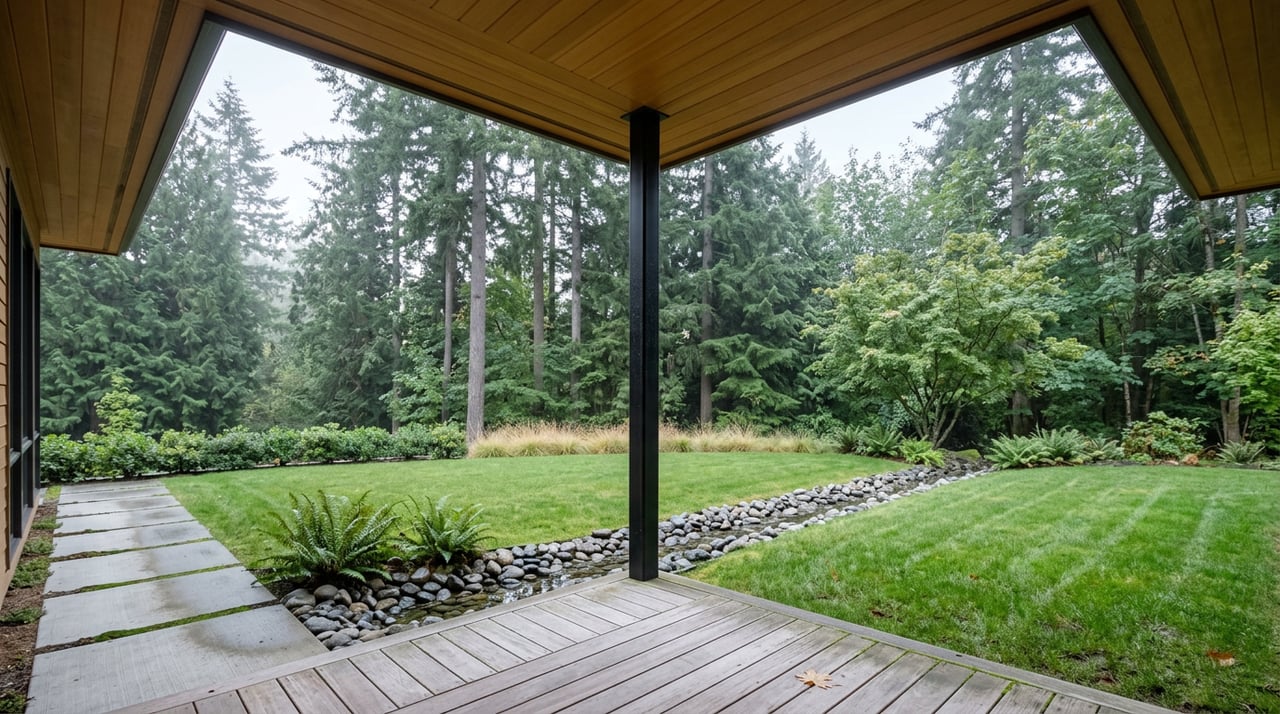
Bridle Trails has one of the most distinct identities in Bellevue. It is known for its heavily wooded setting, large single-family lots, and Bridle Trails State Park, which spans 482 acres and 28 miles of trails.
If you are drawn to privacy, greenery, and a more tucked-away residential feel, Bridle Trails may stand out. The current median is around $2.10 million, and the area is more car-dependent than Bellevue’s urban core.
Lake Hills was originally developed as a planned community in the late 1950s and still offers a strong single-family base mixed with multifamily communities. The area also includes access to Bellevue College, the 172-acre Lake Hills greenbelt, and Robinswood Community Park.
That makes Lake Hills worth a look if you want a neighborhood with a mix of home types and established community infrastructure. Its current median is around $1.45 million.
Woodridge is described by the city as having quiet streets and homes, many with views of Lake Washington, Downtown Bellevue, and Seattle. It also has neighborhood pools and convenient access to downtown, Factoria, I-405, and I-90.
For buyers, Woodridge often lands in the conversation when views and commuter convenience both matter. Its current median is about $1.67 million.
Northeast Bellevue has a more woodsy, subdivision-based feel, with many homes built from the 1960s through the 1980s and a lakeside edge on Lake Sammamish. Current data places the median around $1.53 million.
This area can work well if you want a more residential setting with some bikeability and transit access. The housing stock also appeals to buyers who are open to a range of home ages and styles.
Newport includes both waterfront-oriented sections like Newport Shores and Lake Lanes and hillside areas such as Newport Hills and Greenwich Crest. The Coal Creek Natural Area adds a strong natural buffer and trail network.
That variety gives Newport a broader feel than a single-label neighborhood. Buyers often compare it when they want suburban housing options, access to nature, and a current median around $1.30 million.
Crossroads is one of Bellevue’s most central neighborhood areas and includes large apartment complexes, established single-family sections, shopping, restaurants, a community center, Mini City Hall, and Crossroads Park. The current median is around $520,000.
That number can move sharply because recent sales volumes may be small, but Crossroads remains useful for buyers who want a more attainable Bellevue entry point. It is especially relevant if you are comparing condos or attached housing.
Factoria and nearby Eastgate sit along the I-90 and I-405 corridors and combine office, retail, multifamily housing, and established single-family homes. The Eastgate Park & Ride and Factoria Marketplace reinforce the area’s commute-oriented character.
For buyers, this area often comes up when access and convenience are high priorities. Factoria’s current median is around $389,000, making it one of the most accessible Bellevue price points in this data set.
In Bellevue, commute style is often one of the biggest neighborhood filters. Rather than asking which area has the “best” commute, it is more useful to ask what kind of commute fits your routine.
Bellevue’s transit picture changed in a major way on March 28, 2026, when Sound Transit opened the Crosslake Connection and completed the 2 Line across Lake Washington. According to the agency, trains now run about every eight minutes at peak and every 10 to 15 minutes the rest of the day.
That makes rail commuting more practical than before for many buyers heading into downtown Seattle or across the Eastside. For home shoppers, Bellevue Downtown Station and South Bellevue Station are key access points, and Wilburton has its own station as well.
If you drive regularly, some neighborhoods have especially clear freeway advantages. Eastgate and Factoria connect well to the I-90 and I-405 corridor, Somerset also benefits from that corridor, Woodridge gives access to both I-405 and I-90, and Northwest and West Bellevue offer useful access toward I-405 and SR-520.
In real life, many Bellevue buyers are balancing three things at once: transit convenience, lot size, and freeway reach. It is usually not about finding one perfect neighborhood. It is about choosing the trade-offs that best fit your daily life.
If Bellevue feels broad, that is because it is. A simpler way to search is to group neighborhoods by the lifestyle and budget you want first, then compare listings inside that smaller set.
Start with Downtown Bellevue and Wilburton. These areas tend to make the most sense for buyers who want more walkability, easier transit access, and a housing mix that includes condos and townhomes.
Focus on West Bellevue, Northwest Bellevue, Bridle Trails, and Somerset. These areas usually appeal to buyers looking for larger homesites, established residential settings, and upper-tier pricing.
Look closely at Crossroads, Factoria, and some parts of Downtown Bellevue. These neighborhoods often give buyers a way to stay in Bellevue while starting with a condo, townhome, or other more attainable housing option.
Because Bellevue has several distinct submarkets, broad citywide stats only tell part of the story. The right fit for you depends on your budget, home type, commute pattern, and how you want everyday life to feel once you move in.
That is where local guidance can save you time. When you compare Bellevue neighborhoods through the lens of your actual goals, it gets much easier to rule out what does not fit and focus on what does.
If you want help sorting through Bellevue neighborhoods, comparing current listings, or understanding what your budget can buy in each area, Realtor Keren can help you build a focused, informed plan.
Stay up to date on the latest real estate trends.
Dedicated to helping you find the right fit—with honesty, energy, and heart.