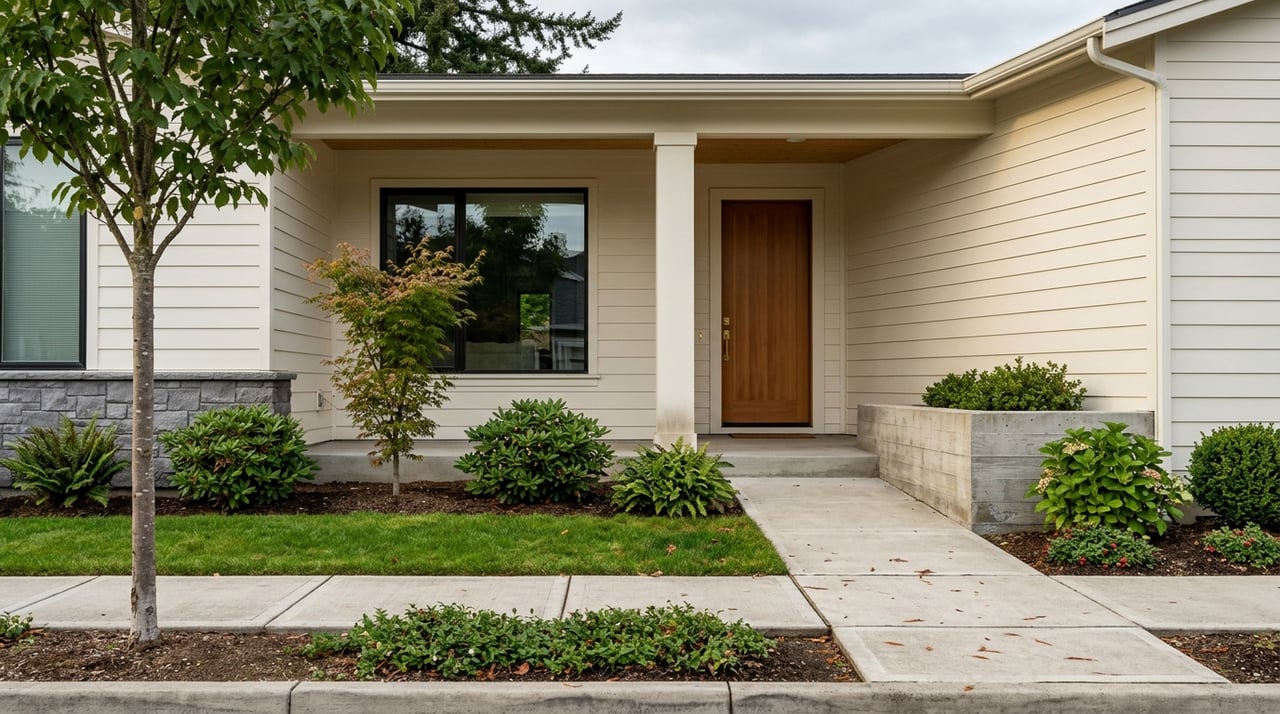
Snoqualmie Ridge vs Downtown: Which Lifestyle Fits?
July 16, 2026
July 16, 2026
If you are deciding between Snoqualmie Ridge and downtown Snoqualmie, you are not just choosing a home. You are choosing the kind of daily routine, housing style, and neighborhood feel that fits you best. The good news is that both areas offer strong reasons to consider them, and understanding the differences can make your search much clearer. Let’s dive in.
Snoqualmie Ridge and historic downtown Snoqualmie sit within the same city, but they were shaped in very different ways. City planning materials describe downtown as the city’s commercial center and a compact, walkable historic district. Snoqualmie Ridge, by contrast, was created as a master-planned community with its own design standards, parks, trails, and civic spaces.
That difference matters because it affects how you live day to day. Downtown tends to feel more like a traditional town center. The Ridge tends to feel more organized around a larger neighborhood plan with built-in amenities and a more unified layout.
Snoqualmie Ridge was planned with a full community blueprint that included street layout, sidewalks, parks, open space, trails, and civic areas. That planning gives the area a more intentional feel, with housing and public spaces designed to work together. If you like neighborhoods that feel cohesive, this can be a big draw.
It is also worth noting that the Ridge is not limited to detached houses. City materials say Snoqualmie already has substantial middle housing, including in Snoqualmie Ridge, and a 2022 subdivision notice included 46 duplexes and townhomes as part of the final housing subdivision in the master plan. That means buyers may find both attached and detached options depending on budget and goals.
Historic downtown Snoqualmie offers a different housing pattern. The area centers on Railroad Avenue and the Historic District, which the city says includes 20 contributing properties. The downtown master plan describes the district as walkable and easy to get around.
Downtown housing also includes newer infill alongside the historic setting. One example is The Rails, a mixed-use project with street-level office and retail space and eleven apartments above. If you want a setting that mixes historic character with compact development, downtown may feel like a better fit.
One of the biggest practical differences is how each area is governed. Snoqualmie Ridge is tied to the Snoqualmie Ridge Residential Owners Association, and Ridge-specific design standards are part of the community structure. For you as a buyer, that usually means more community-wide rules and more visual consistency.
Downtown Snoqualmie is different. It is shaped more by the city’s historic-district framework, zoning, and project-by-project review process. In practical terms, downtown living is generally less driven by one master association than Snoqualmie Ridge.
This is not a good-versus-bad issue. It is more about what feels comfortable to you. Some buyers prefer the predictability of a master-planned community, while others prefer the flexibility and variety that can come with a more traditional downtown setting.
If walkability is high on your list, downtown Snoqualmie has the stronger case. City planning documents describe Historic Downtown Snoqualmie as a walkable community. The Centennial Trail runs as a half-mile paved trail through downtown, and Railroad Park sits in the heart of the historic area near shops, restaurants, the depot, and the Northwest Railway Museum.
Downtown also continues to evolve. The Rivertrail project is intended to improve trail connections over time between the Snoqualmie Falls area, the historic district, and Meadowbrook. That ongoing investment supports a more connected downtown and river corridor experience.
Snoqualmie Ridge is also convenient, but in a different way. The area was planned around sidewalks, parks, trails, civic space, and a neighborhood center described as the heart of the Ridge. Both the Ridge and downtown have shops, restaurants, and services, but the Ridge is organized more around planned convenience than a historic main street.
Park access is another plus for the Ridge. Snoqualmie Community Park connects to Ridge trails and is also home to the Snoqualmie Community Center/YMCA. If you want recreation built into the neighborhood design, the Ridge stands out.
Regional access is also more purpose-built on the Ridge side. Snoqualmie Parkway connects SR 202 downtown to SR 18 at the I-90 interchange, tying the Ridge into the broader road network in a direct way.
Another difference is where each area sits in its growth cycle. The city said the 2022 Timber Trails proposal would be the final housing subdivision in the Snoqualmie Ridge master plan. That suggests the Ridge is getting closer to full build-out.
Downtown Snoqualmie still has active reinvestment underway, including Rivertrail and new mixed-use development. If you are drawn to an area with ongoing change and added connections over time, downtown may feel more dynamic. If you prefer a community that is more fully established within a master plan, the Ridge may appeal more.
Current market snapshots show a meaningful gap between the two areas. Snoqualmie’s overall Zillow Home Value Index is about $1.10 million, but neighborhood figures vary quite a bit. Zillow places Downtown Snoqualmie at about $642,000, while Redfin shows Snoqualmie Ridge at a median sale price of $1.34 million over the last three months, up 26.4% year over year.
That does not mean every Ridge home costs far more than every downtown home. Zillow’s active Ridge inventory spans from the mid-$400,000s to the mid-$2 millions, which suggests a broad range that includes more moderate attached homes as well as higher-end detached properties. Still, the general takeaway is straightforward: downtown usually offers the lower entry point, while the Ridge often commands a premium for newer, master-planned housing and neighborhood amenities.
Choosing between Snoqualmie Ridge and downtown Snoqualmie often comes down to your priorities. Both areas can be a great fit, but they support different styles of living.
In the end, this comparison is less about which area is better and more about which trade-offs match your goals. The Ridge offers planned consistency and community amenities. Downtown offers historic character and a more compact, walkable town-center experience.
If you are weighing both options, the best next step is to compare available homes through the lens of your real-life routine. Your commute, price range, preferred home style, and how you want your neighborhood to feel can quickly point you in the right direction. For help narrowing it down and finding the right fit in Snoqualmie, connect with Realtor Keren.
Stay up to date on the latest real estate trends.
Dedicated to helping you find the right fit—with honesty, energy, and heart.