
Selling A Home In Snoqualmie’s Planned Communities
July 23, 2026
July 23, 2026
If you are selling in one of Snoqualmie’s planned communities, your home is rarely judged on the house alone. Buyers are often weighing the property, the HOA, the streetscape, and the neighborhood amenities as one package. That can feel like a lot to manage, but it also creates opportunity when you prepare the right way. In this guide, you’ll learn how to price, prep, and time your sale with Snoqualmie’s community structure in mind. Let’s dive in.
Snoqualmie’s planned-residential framework was designed around more than just homes on lots. The city’s rules emphasize mixed housing types, open space, recreation areas, trails, and coordinated pedestrian and bicycle corridors. That means many buyers are looking at the full living experience, not just bedroom count or square footage.
In practical terms, your listing has to do two jobs at once. It needs to present your home well, and it needs to reassure buyers that the surrounding community is orderly, established, and easy to understand. In a planned neighborhood, details that seem small can shape buyer confidence.
Snoqualmie Ridge is not a brand-new construction corridor. The city said construction there began in 1998, and in 2022 described Timber Trails as the final housing subdivision in the community. That long buildout means homes can vary significantly by age, phase, layout, and product type.
Because of that, citywide averages only tell part of the story. A buyer comparing your home may be looking at a different pocket of Snoqualmie Ridge, a different build era, or a different ownership structure. The best pricing strategy usually comes from recent sales in the same sub-area and the same property type.
In planned communities, buyers often study the monthly cost and future risk as closely as the home itself. They may want to know the current dues, whether assessments are possible, how reserves look, and whether there are any known legal or insurance issues tied to the association. These are common concerns in Washington common-interest and condo resale transactions.
Buyers also tend to pay close attention to rules that affect daily ownership. Governing documents may address exterior changes, use restrictions, signage, and approval requirements. If buyers think there could be surprises after closing, they may hesitate or negotiate harder.
That is why clean presentation matters so much in Snoqualmie’s planned communities. A well-maintained exterior and a home that appears consistent with neighborhood standards can reduce buyer concern before they even open the HOA packet.
Before you list, it helps to anticipate the questions serious buyers are likely to raise:
When you can answer these questions early, your listing often feels more organized and lower risk. That can help showings turn into stronger offers.
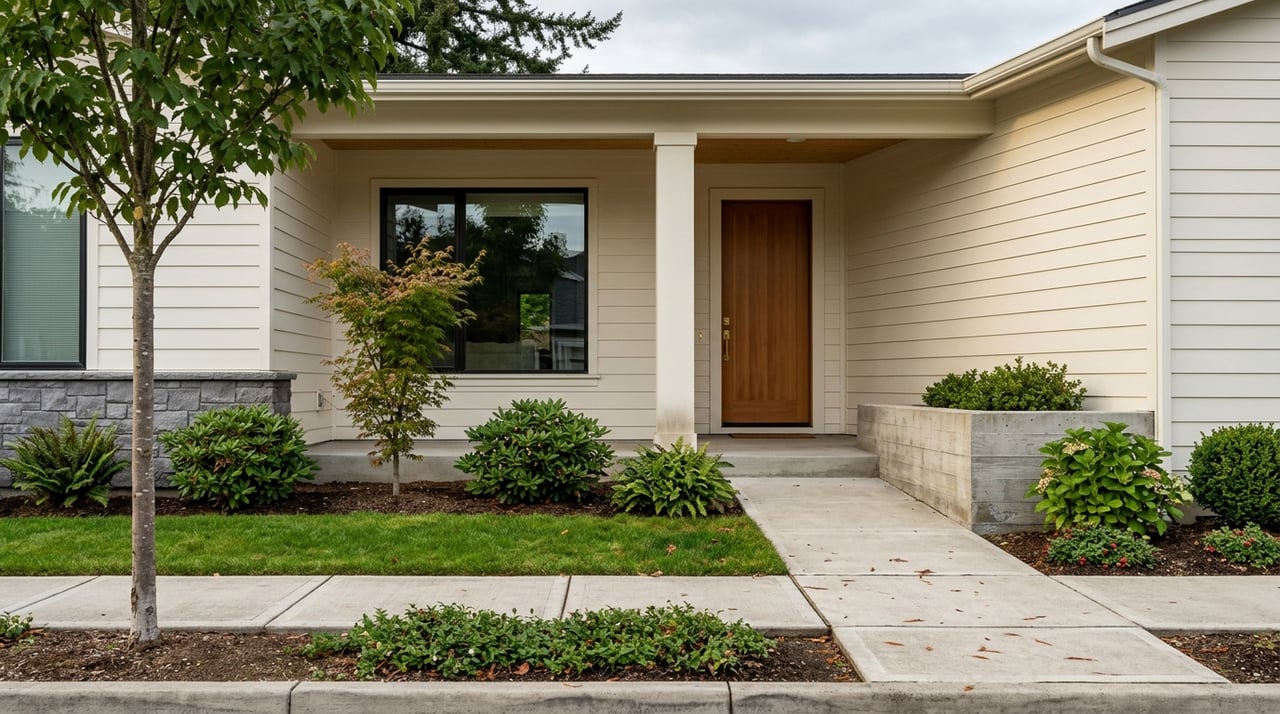
In many Snoqualmie planned communities, the most effective pre-listing work is simple and visible. Clean curb appeal, tidy landscaping, and fresh touch-up paint can go a long way. Buyers notice whether a home looks aligned with the surrounding neighborhood.
This does not mean you need a major remodel before selling. It means focusing on low-friction improvements that support a polished first impression. In communities shaped by design standards, visual consistency can support perceived value.
If you have made visible exterior changes, confirm that you have approval records or documentation showing compliance where needed. Washington resale documents can identify known violations or alterations that do not comply with governing documents. It is much easier to address these issues before you are under contract.
One of the biggest mistakes sellers make is waiting too long to organize the HOA side of the transaction. In these communities, paperwork can affect timing almost as much as pricing and presentation. A home may be ready for photos and showings, but the sale can still slow down if the association file is incomplete.
Try to gather key documents as early as possible, including:
Starting early gives you time to spot issues while you still have options. It also helps your agent package the listing in a way that feels organized and credible to buyers.
Washington sellers of improved residential property generally must deliver the seller disclosure statement within five business days after mutual acceptance, unless the parties agree otherwise. Buyers generally have three business days to rescind after receiving that disclosure statement. In other words, disclosures are not a last-minute task.
For HOA and common-interest community resales, the association must furnish a resale certificate within 10 days after the owner’s request. That certificate covers important items such as assessments, reserves, budgets, insurance, legal actions, and known violations or alterations.
There is also typically a preparation charge for the resale certificate, with Washington law capping the usual amount at $275, plus limited update fees in some situations. Since buyers receive a review period after getting the certificate, ordering it early can help keep your closing timeline on track.
Not every Snoqualmie planned community follows the exact same legal framework. Depending on the property and community, the governing chapter may fall under different Washington statutes, including older HOA structures, newer common-interest communities, or condominiums.
For you as a seller, the key takeaway is simple. Find out early which framework applies to your home, then request the correct association documents as soon as you decide to list. That early coordination can help avoid delays once you have an offer in hand.
Recent market snapshots show why precision matters in Snoqualmie. Over the three months ending May 2026, Snoqualmie’s median sale price was about $1.066 million, compared with $887,000 in King County. Redfin’s neighborhood snapshot put Snoqualmie Ridge at a median sale price of $1.34 million.
Speed matters too. Redfin reported Snoqualmie Ridge homes selling in about 6.5 days on average, while Snoqualmie overall and King County were both around 10 days on market. That kind of pace can reward sellers who launch with the right price and complete documentation.
At the same time, broad community numbers can hide a wide range of outcomes. Recent Snoqualmie Ridge sales included a four-bedroom detached home on SE Isley Street that sold for $1.275 million, 2% over list, after 22 days, while a three-bedroom unit on SE Sequoia Place sold for $750,000 after 39 days. Those results show why you should not price by community name alone.
A smart pricing approach usually starts with recent closed comparables in your exact Snoqualmie sub-area and your same property type. From there, adjustments can reflect condition, updates, lot position, visible maintenance, and any HOA-related factors that could shape buyer perception.
If you want to maximize both price and efficiency, your selling plan should bring together three moving parts at the same time:
When those three pieces line up, buyers can focus on the value of your home instead of worrying about unknowns. That often leads to smoother negotiations and a more confident path to closing.
Selling in Snoqualmie’s planned communities is not just about listing a house. It is about presenting a complete ownership story that makes buyers feel informed and comfortable. If you are thinking about selling in Snoqualmie Ridge or another nearby planned neighborhood, Realtor Keren can help you build a pricing and prep strategy that fits your exact pocket of the market.
Stay up to date on the latest real estate trends.

Dedicated to helping you find the right fit—with honesty, energy, and heart.