In Duvall, first impressions happen fast, often in low light and wet weather. If you are preparing to sell, you do not want to waste time or money on changes that do not help you stand out online or in person. You want a simple plan that matches local homes, buyer expectations, and our Puget Sound climate. This guide gives you proven, Duvall-specific staging strategies that work in winter or summer, with room-by-room tips, checklists, and realistic budgets so you can move forward with confidence. Let’s dive in.
Why staging matters in Duvall
Duvall draws buyers who often commute to Seattle or Bellevue, want more space than the urban core, and appreciate a small-town, semi-rural lifestyle. They tend to value functional entries, usable yards, and authentic style details. Staging that highlights those features helps your home show its best.
Our maritime climate brings cool, wet winters and shorter days. That means lighting, protected entries, and clean, safe exteriors matter even more from November through February. Your staging should increase natural light, show practical storage for rain gear, and keep walkways clear for a smooth, welcoming experience.
Start with universal basics
Declutter and depersonalize
Pack away extras so rooms feel larger and calmer. Remove family photos and highly personal decor so buyers can imagine themselves living there. Rent a small storage unit if needed to clear surfaces and floors.
Light and warmth
Layer lighting with overhead fixtures, table lamps, and under-cabinet lights. In winter, use warm LED bulbs around 2700K to 3000K to create a cozy feel. Open blinds and curtains during the day and set smart timers so lights are on for early-evening showings.
Scale and flow
Use furniture that fits each room. Remove oversized pieces that shrink the space or block sightlines. Keep a few well-chosen accessories like plants, simple artwork, and textured throws to add life without crowding.
Clean and repair
A deep clean, fresh neutral paint where needed, and small fixes like replacing bulbs or tightening hardware go a long way. Focus on anything a buyer will touch or notice in the first five minutes, including the front door.
Photos first mindset
Most buyers start online. Stage with photos in mind by simplifying surfaces, opening up pathways, and highlighting natural light sources. Plan to complete staging before your photographer arrives.
Style-specific staging tips
Craftsman homes
Craftsman details resonate with Duvall buyers who appreciate character. Preserve and spotlight what makes the home special.
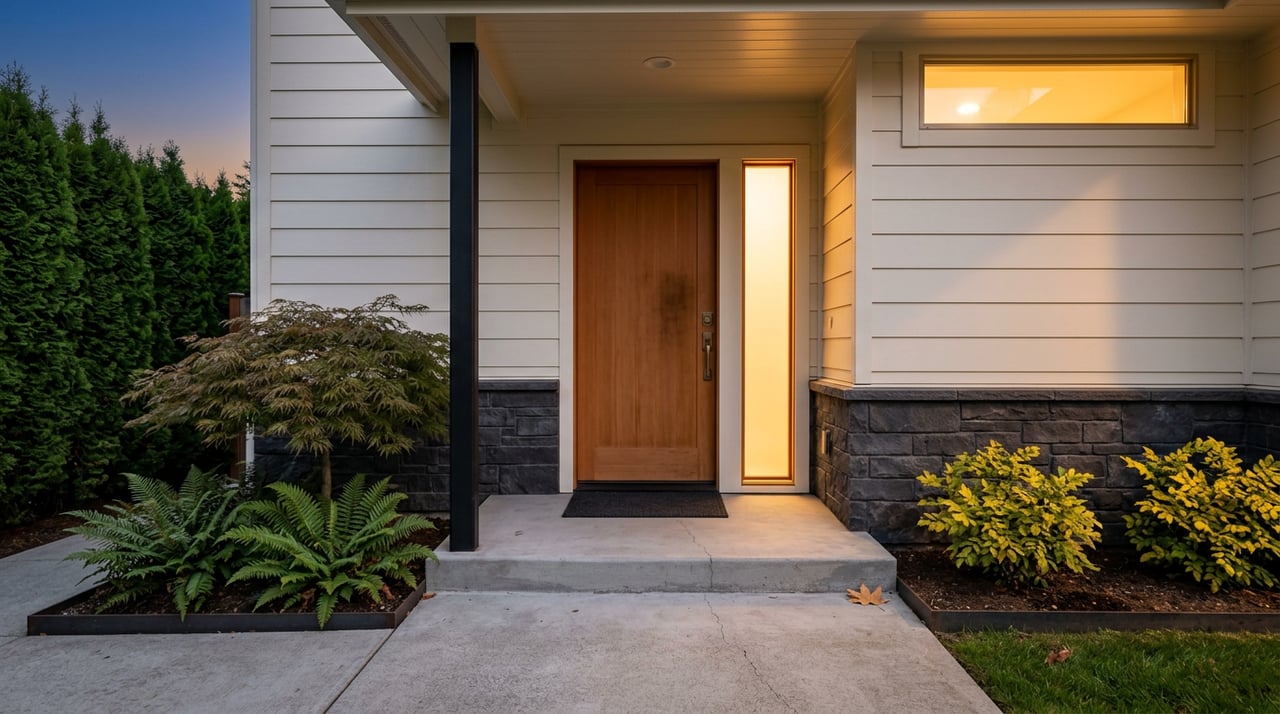
- Curb and entry: Create a welcoming porch vignette with two chairs, a small table, a neutral mat, and potted evergreens for winter. Clean or repaint wood trim and replace broken lights with period-appropriate fixtures.
- Living room: Emphasize wood tones and handcrafted touches. Choose muted earth tones, leather or linen sofas, and textured rugs. Lightly style built-ins with books, baskets, and one or two simple objects.
- Kitchen and dining: Clear counters. A small breakfast setup with stoneware and cloth napkins feels warm and intentional. If cabinets look tired, consider neutral paint in warm gray or cream with updated hardware to refresh without losing character.
- Bedrooms and baths: Layer tactile, neutral bedding with subtle patterns such as plaids or muted stripes. Keep surfaces clear and lighting warm.
- Exterior and yard: Prune hedges, sweep paths, and consider native plantings like ferns or evergreen shrubs that complement Craftsman naturalism.
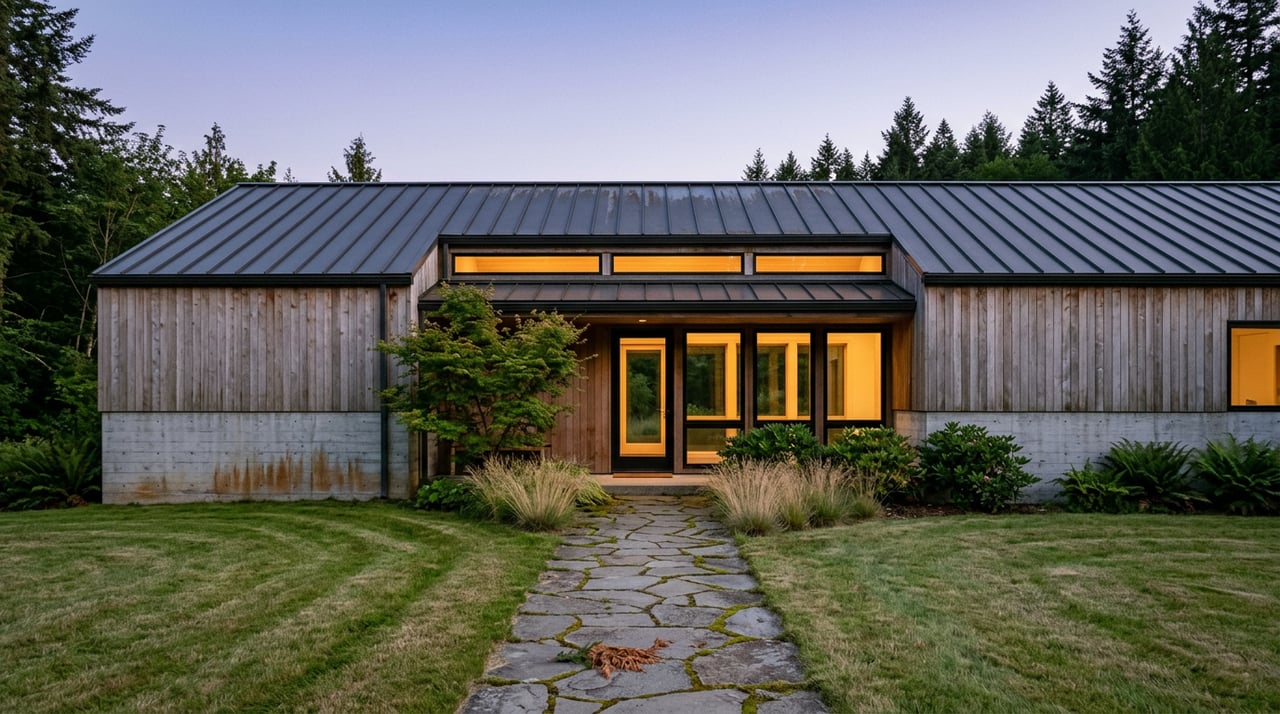
- Photography: Capture woodwork, built-ins, and the flow between spaces. If weather is gray, twilight photos with a lit porch can convey warmth.
Farmhouse homes
Modern and traditional farmhouse styles are common on newer lots and rural properties. Lean into relaxed comfort with a tidy, functional feel.
- Curb and entry: Stage the porch with a bench, woven pillows, and a simple wreath. If the forecast is wet, provide a covered shoe area at the door.
- Living room: Use light neutrals like off-white or warm greige and mix textures such as wood, woven baskets, and metal accents. Keep walkways open and avoid overcrowding.
- Kitchen and dining: Style open shelving sparingly with white dishes. If there is an island, keep it clear except for a single bowl or vase. A staged farmhouse table can suggest family-friendly dining without clutter.
- Bedrooms and baths: Choose simple linens and neutral palettes. Vintage-inspired fixtures and minimal accessories work well.
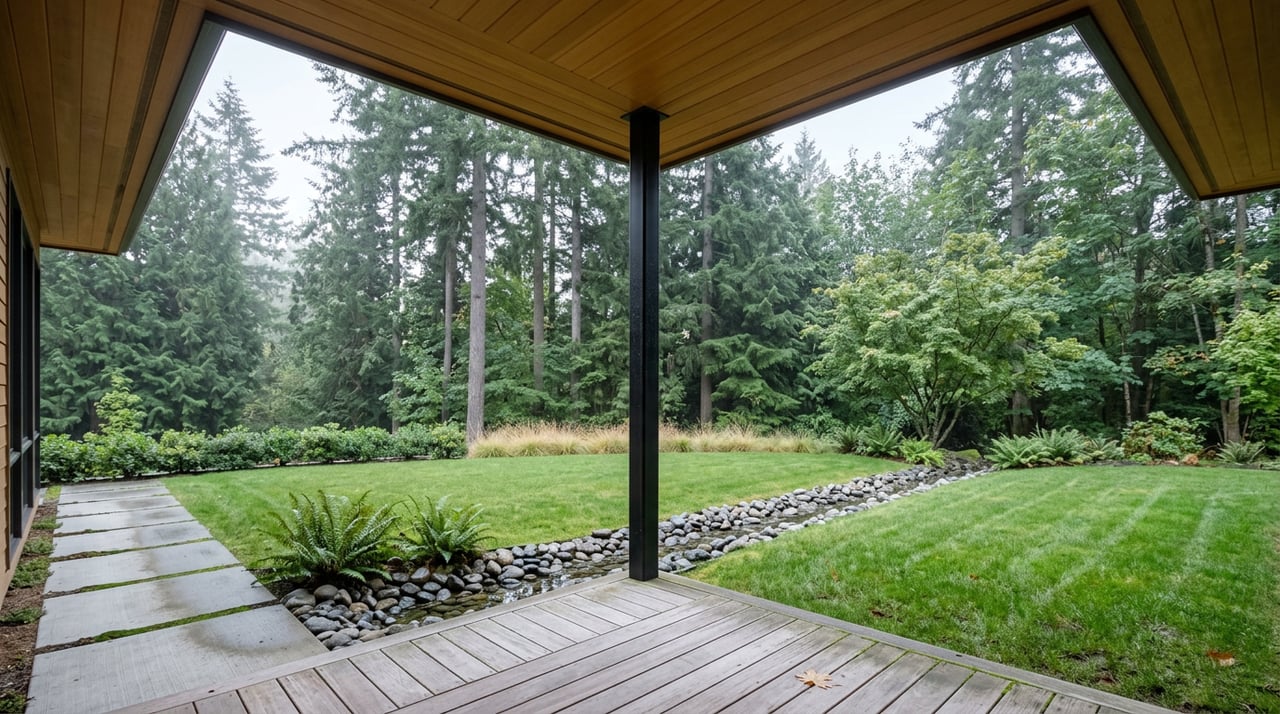
- Exterior and yard: Highlight usable yard space with a seating area, fire pit, or garden boxes. In rainy months, focus on the patio or covered spaces rather than lawn.
- Photography: Show the porch, backyard functionality, and, if relevant, the broader setting that comes with a larger lot.
Newer builds
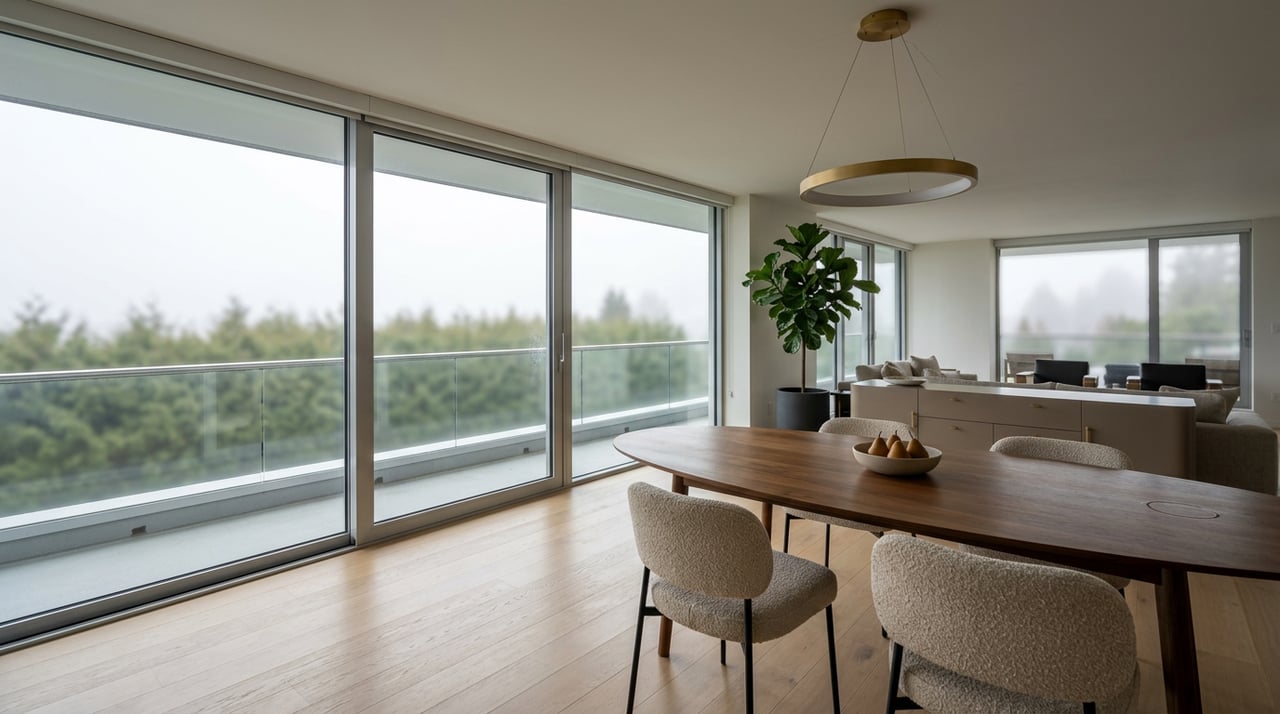
Newer suburban homes often feature open floor plans, large windows, and neutral finishes. Keep things crisp and modern.
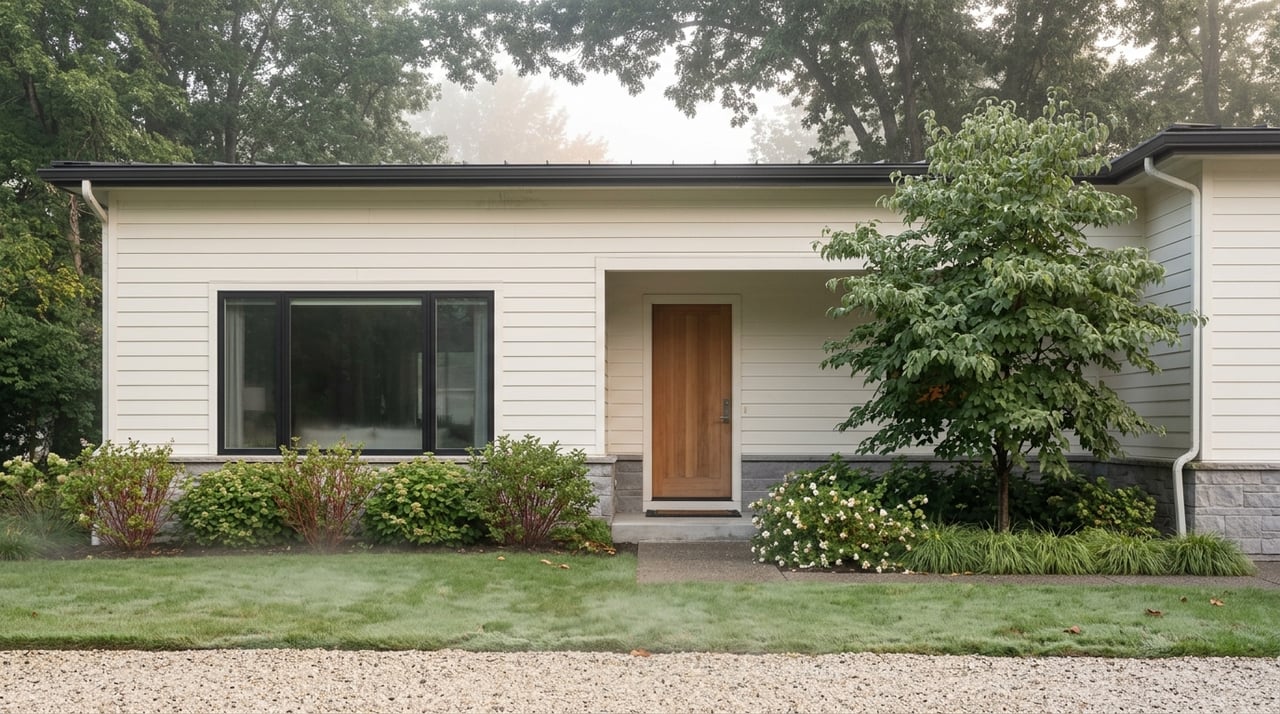
- Curb and entry: Go minimal with planters and modern lighting. Keep the lawn tidy and highlight any covered entry.
- Living room: Use contemporary furniture scaled to the space. Protect sightlines across the open plan and limit bold colors to pillows or a single piece of art.
- Kitchen and dining: Keep countertops pristine. Stage the island for function with one simple element and show organized storage to emphasize capacity.
- Bedrooms and baths: Choose crisp linens and simple artwork. Keep surfaces clear and lighting balanced.
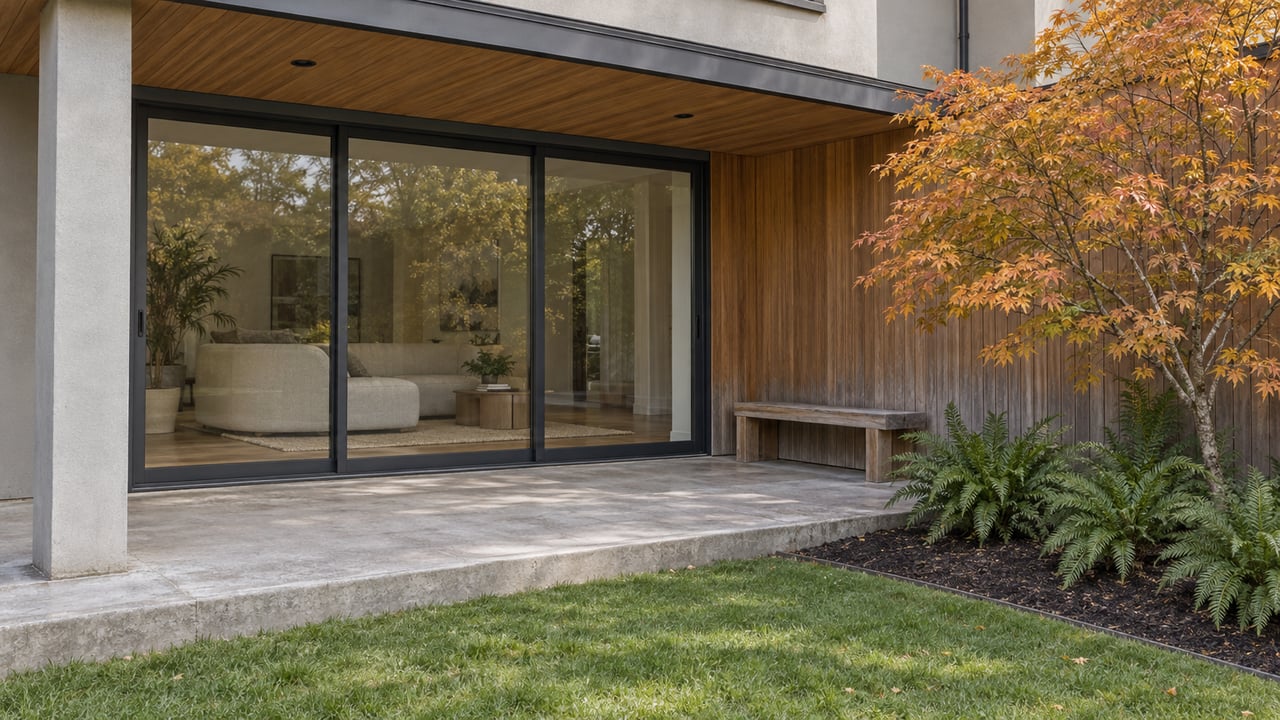
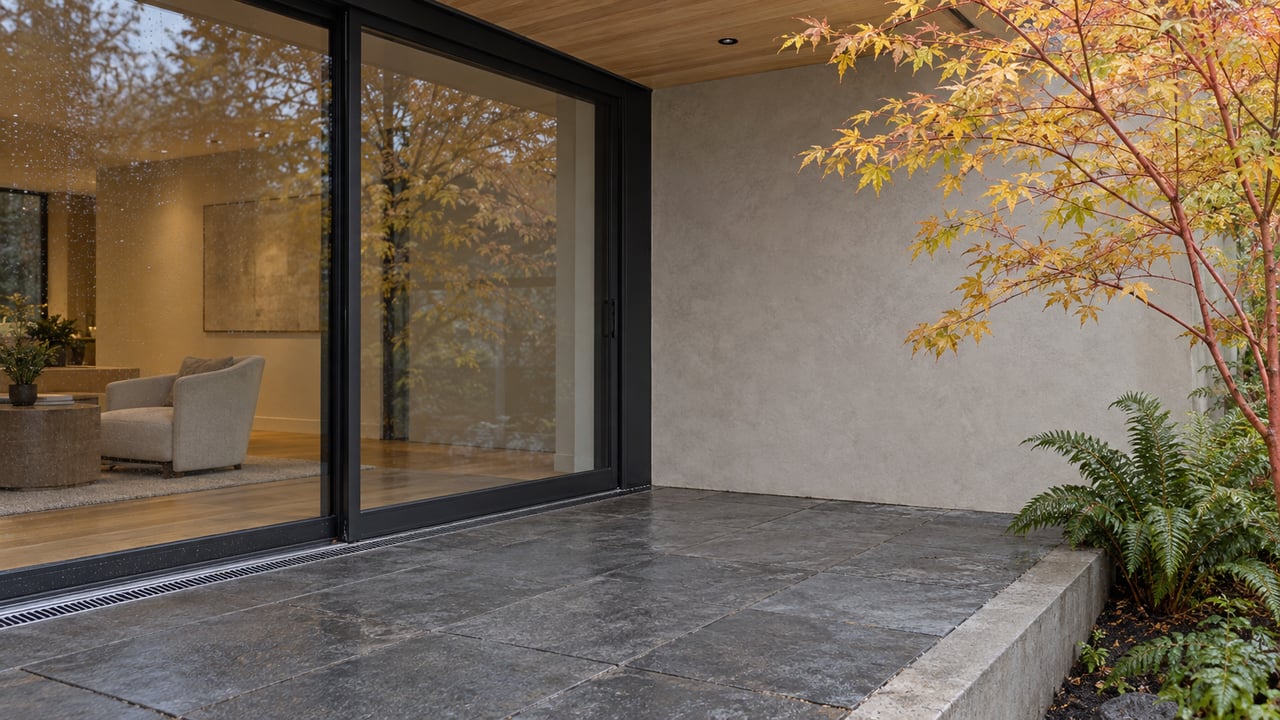
- Exterior and yard: Emphasize low-maintenance landscaping and set a patio for entertaining.
- Photography: Use wide shots to convey openness, but avoid distortion. If windows are large, shoot mid-day to capture natural light.
Winter showing game plan
Exterior upkeep
Keep walkways, steps, and driveways clear of leaves, ice, and standing water. Use safe, non-staining de-icers when needed. Clean gutters so they do not spill over in photos or showings, and direct downspouts away from the foundation.
Entry and mudroom
Show that rainy-day living works smoothly. Set an absorbent mat, a shoe bench, umbrella stand, and sturdy hooks. Keep mudroom counters and benches tidy and use labeled baskets or cubbies to demonstrate storage.
Interior comfort
Turn on layered lighting and use timers to make early-evening showings feel bright. Keep the thermostat at a comfortable temperature. A warm home suggests good maintenance.
Humidity and odors
Ventilate regularly and consider a dehumidifier in basements during wet months. Wash or replace entry rugs and avoid strong air fresheners. A neutral scent, or a subtle baked-item aroma during a photoshoot, is best.
Photography timing
Aim for mid-day exterior photos when the sky is brighter. If rain persists, your photographer can use HDR and bracketed exposures. Wipe exterior glass to reduce water spots and use interior shots that highlight warm textiles and light sources.
Open house logistics
Provide a covered spot for umbrellas and a shoe area at the door. Use hallway runners to protect floors and place a sign that guides visitors to keep the home clean and safe.
Quick checklists
Pre-listing priorities
- Deep clean the entire house, including windows and baseboards.
- Declutter and depersonalize. Use temporary storage if needed.
- Repaint in fresh, neutral colors where walls or trim are tired.
- Complete minor repairs like leaky faucets, loose hardware, and burned-out bulbs.
- Improve lighting with added lamps and brighter, warm-toned bulbs.
- Boost curb appeal with a clean porch, painted front door if needed, and simple planters.
- Stage the entry, living room, kitchen, and primary bedroom first.
- Book professional photography once staging is complete.
Day-before-showing checklist
- Clear kitchen and bath counters, make beds, and remove clutter.
- Turn on all lights and open blinds where privacy allows.
- Set the thermostat to a comfortable temperature.
- Remove trash, hide pet items, and use an absorbent mat at the entry.
- Place fresh towels and hand soap in bathrooms.
Photographer-prep checklist
- Clean interior and exterior windows.
- Remove small, slippery rugs and personal items from counters.
- Turn on all lights, including under-cabinet lighting.
- If safe, turn on a gas fireplace for the shoot.
- Clear the driveway and tidy the porch.
Budget and timelines
Plan for the highest return actions first. Typical investment ranges vary by scope and service level:
- Decluttering and cleaning: about $150 to $600 for full-service cleaning and minor hauling.
- Interior paint: about $300 to $2,500 depending on the number of rooms. DIY can reduce costs.
- Minor repairs and hardware: about $100 to $1,000.
- Professional staging: partial staging for key rooms often runs about $1,500 to $6,000 per month for furniture rental. Full-home staging can be more. Many sellers choose a consultative walk-through with recommendations to control costs.
- Professional photography and floor plan: about $200 to $600, with extras for twilight images.
- Landscaping touch-ups: about $150 to $1,500.
Prices in King County can run higher than national averages. Get local quotes, prioritize key rooms, and schedule everything so staging and photos are complete before your listing goes live. A typical prep timeline runs 1 to 3 weeks depending on repairs and paint.
What not to hide in Washington
Washington sellers must complete property condition disclosures. Staging should never conceal material defects or safety issues. If you know of a problem, repair it or disclose it clearly. Honest presentation builds trust and protects your sale.
Make outdoor space count
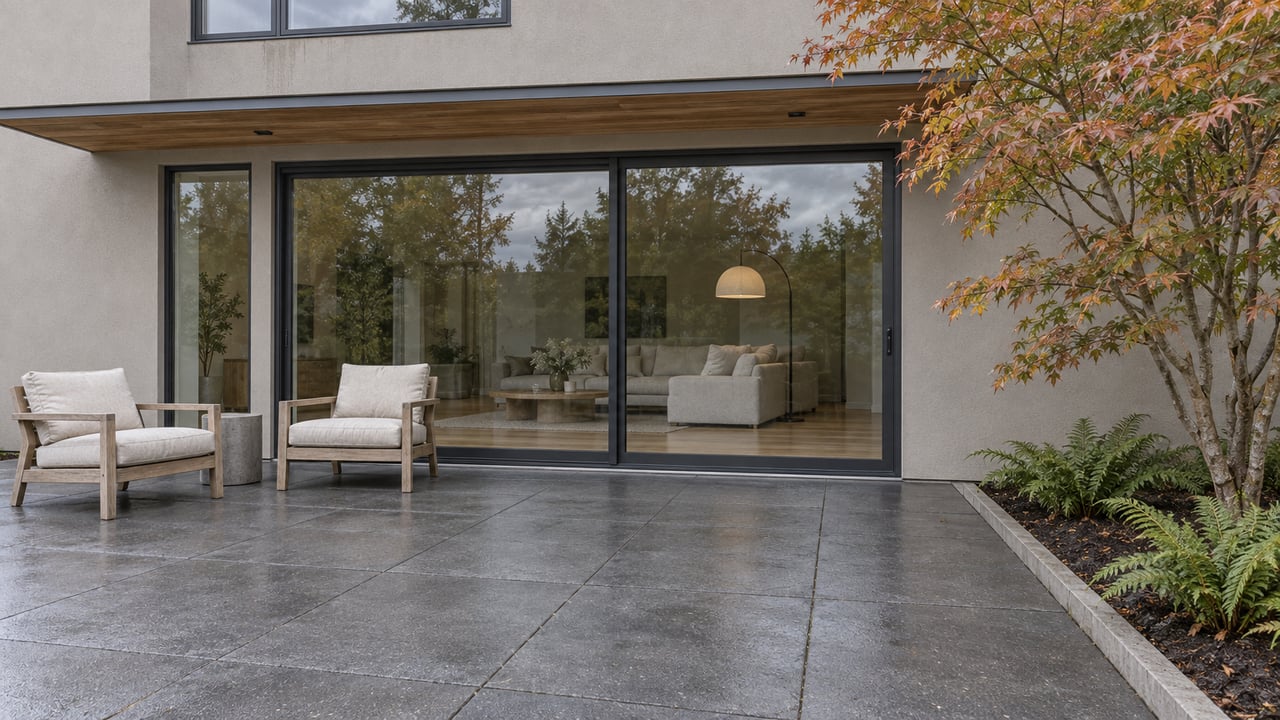
Duvall buyers often look for usable yards and outdoor living. In winter, focus on staged patios and covered seating rather than a soggy lawn. Arrange chairs with a throw and a small table, and store cushions dry between showings. Keep pathways clean and lighting warm at twilight.
Work-from-home appeal
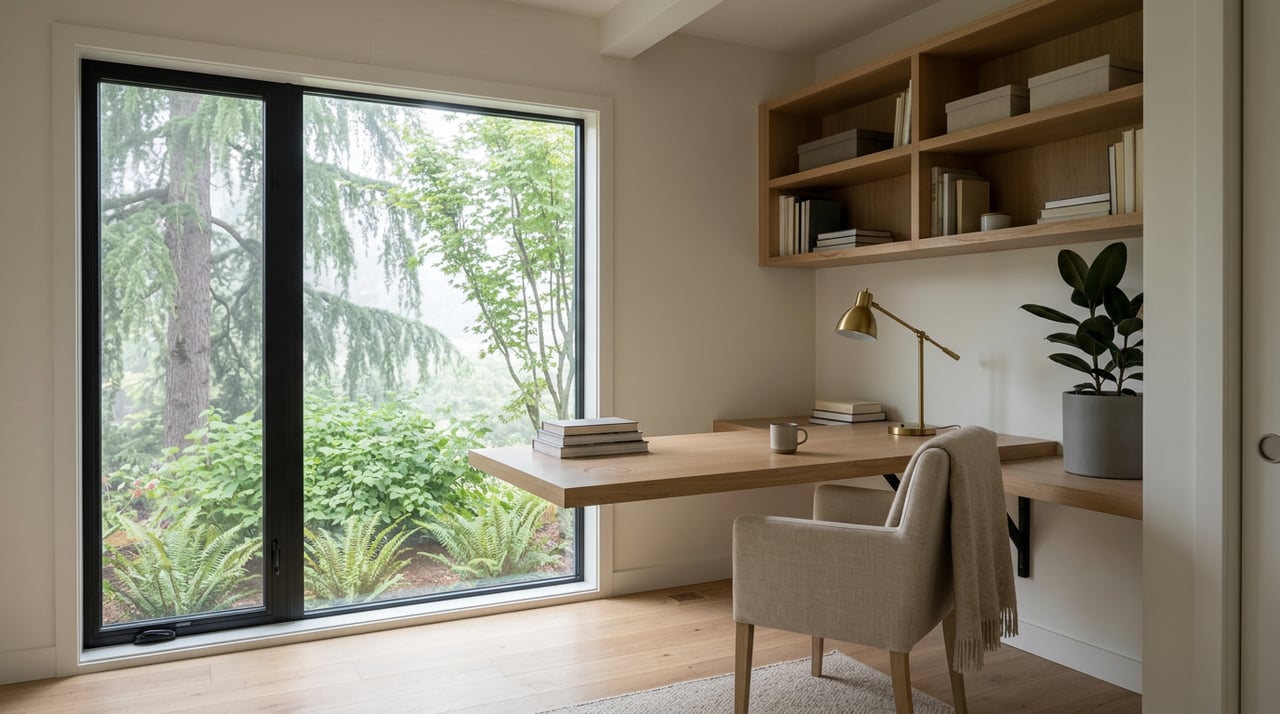
Create a simple, quiet workspace in a spare room or a defined corner. Use a compact desk, good task lighting, and a clean backdrop. Show where video calls or focused work would happen without crowding the room.
Next steps with a local expert
A clear, locally tuned staging plan helps you sell faster and for a stronger price. If you want guidance on which updates will matter most in today’s Snoqualmie Valley and East King County market, reach out for a tailored plan and a data-driven pricing strategy. Connect with Realtor Keren for a walk-through, prioritized checklist, and market-ready photos. Get Your Home Value today and move forward with confidence.
FAQs
Should I fully stage or just a few rooms?
- Prioritize high-impact spaces: the entry, living room, kitchen, and primary bedroom. If budget is tight, a consultative walk-through with targeted fixes often provides strong ROI.
Can staging hide defects in Washington?
- No. Washington sellers must disclose property conditions. Do not stage to conceal material defects. Repair issues when possible or disclose them clearly.
How do I stage for winter when my lawn looks tired?
- Emphasize covered patios, porches, and seating areas. Keep walkways clean, add warm lighting, and minimize attention on soggy turf by highlighting usable hardscape.
Should I remove family photos and personalized decor?
- Yes. Depersonalizing helps buyers picture themselves in the home, which can speed up decision-making.
What is the best way to handle pets for showings?
- Remove pet odors and visible items, and crate pets or arrange off-site care. Store beds, toys, and litter boxes out of sight during showings.
How long does staging prep usually take in Duvall?
- Most sellers can complete cleaning, minor repairs, paint, and staging in 1 to 3 weeks, depending on scope and contractor availability.
Which rooms matter most to Duvall buyers?
- Focus on functional zones: the entry or mudroom, living room, kitchen, primary bedroom, and an outdoor seating area. If possible, also stage a simple home office or flex space.