What It’s Like Living in Snoqualmie WA Today
February 5, 2026
February 5, 2026
Thinking about trading city noise for mountain views and river trails? If Snoqualmie is on your radar, you’re not alone. Many buyers look here for a quieter pace, everyday convenience, and quick access to the outdoors, all within reach of Eastside job centers. In this guide, you’ll get a clear picture of life in Snoqualmie, including neighborhoods, housing types, commute realities, schools and services, and practical tips for buying. Let’s dive in.
Snoqualmie is a small city in King County, east of the Cascade foothills, within the Seattle–Bellevue–Everett metro area. You’ll hear people say “Snoqualmie” when they mean both the city and the broader Snoqualmie Valley. The Valley includes nearby towns like North Bend, Fall City, and Carnation, which offer a more rural feel.
Many residents commute to Bellevue, Redmond, or Seattle for work, while others find opportunities in local schools, healthcare, hospitality, and tourism tied to Snoqualmie Falls and the casino. The lifestyle blends small-town charm with commuter convenience, and outdoor recreation plays a big role year-round.
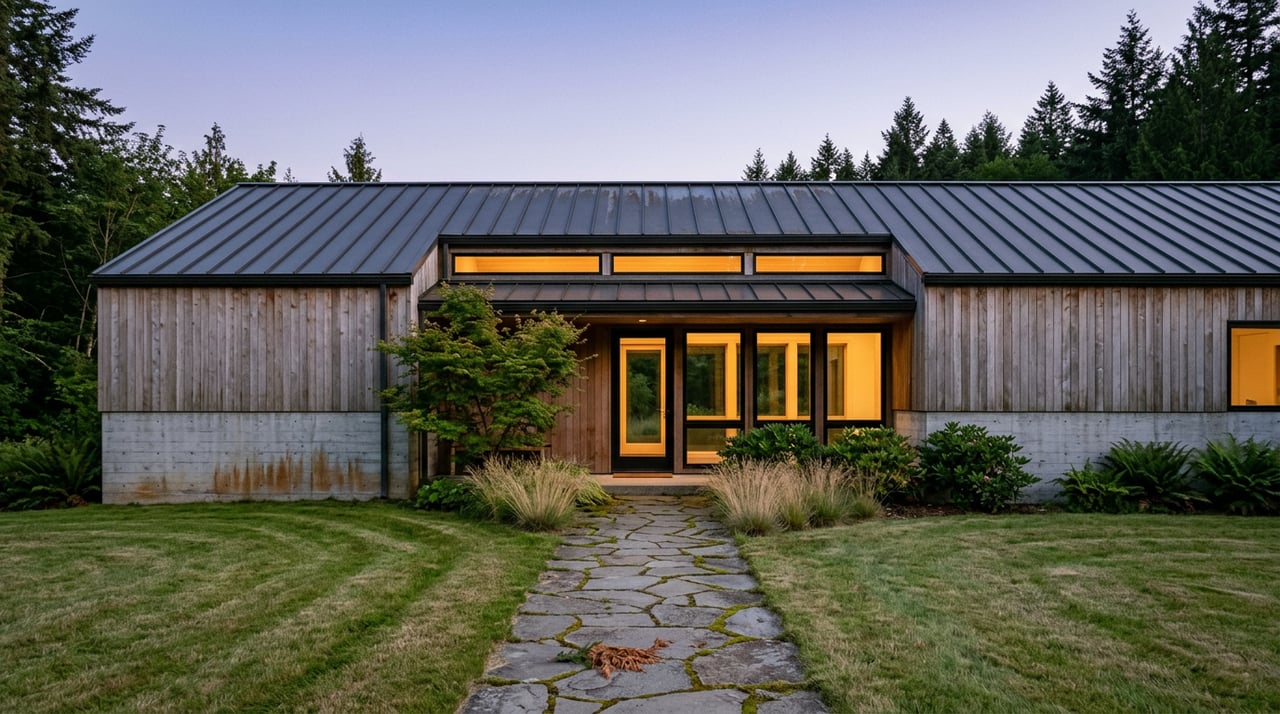
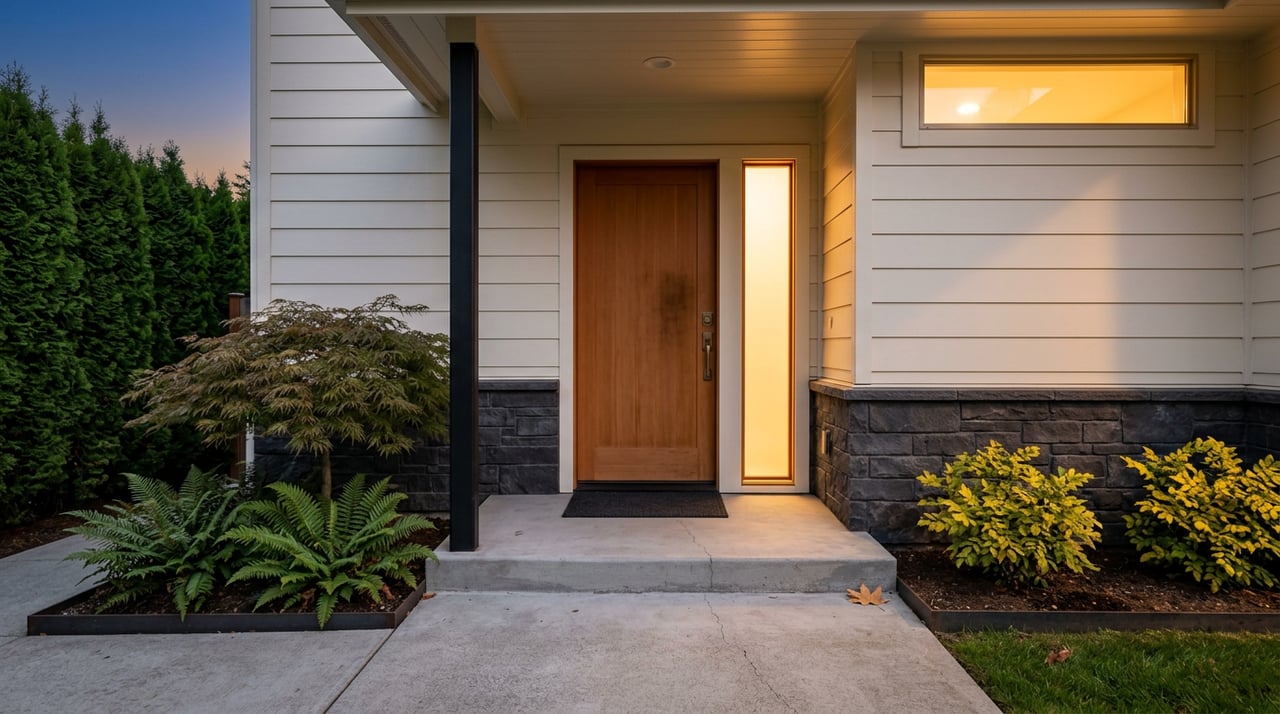
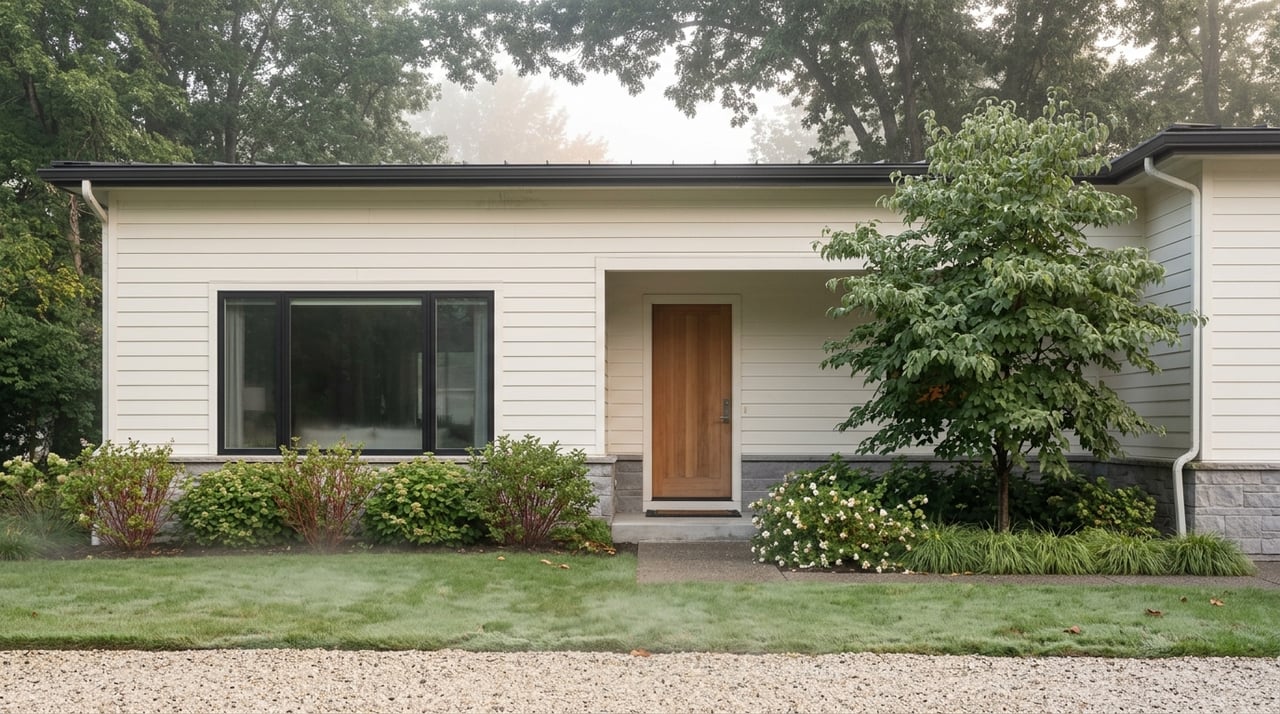
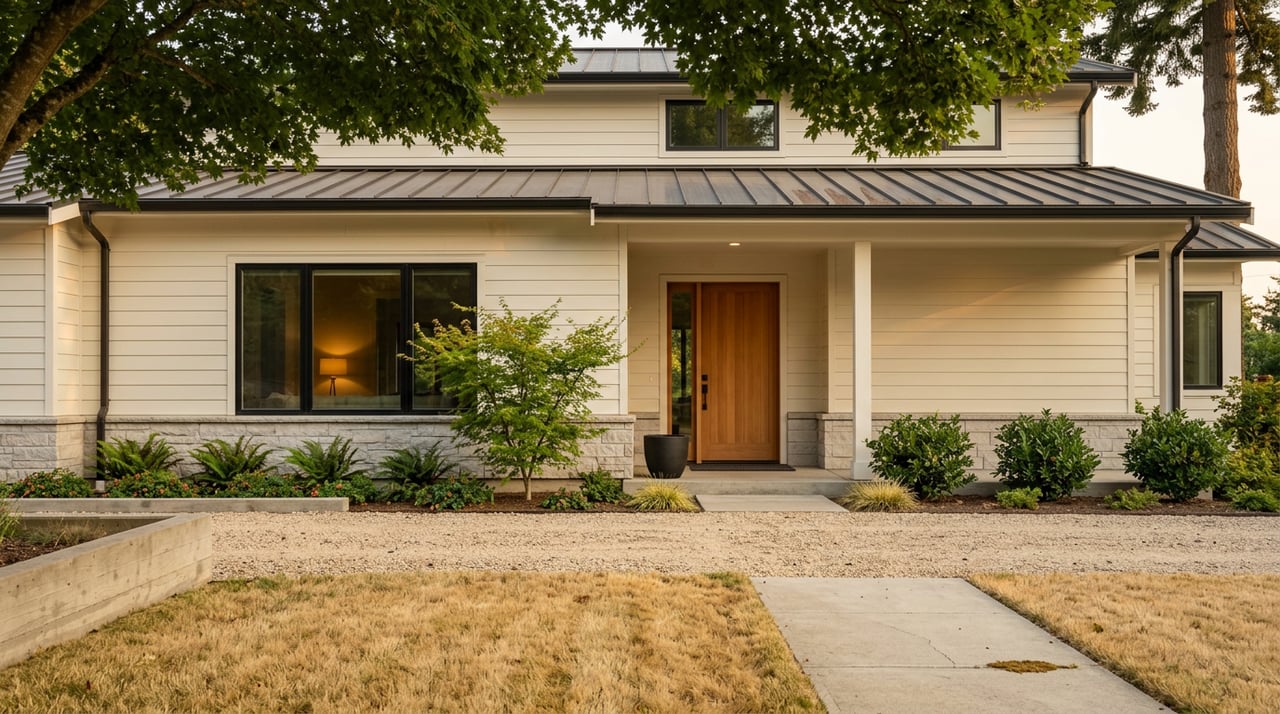
Snoqualmie offers primarily suburban housing with a focus on single-family homes. Newer master-planned neighborhoods sit alongside historic homes near downtown and larger-lot options in the Valley.
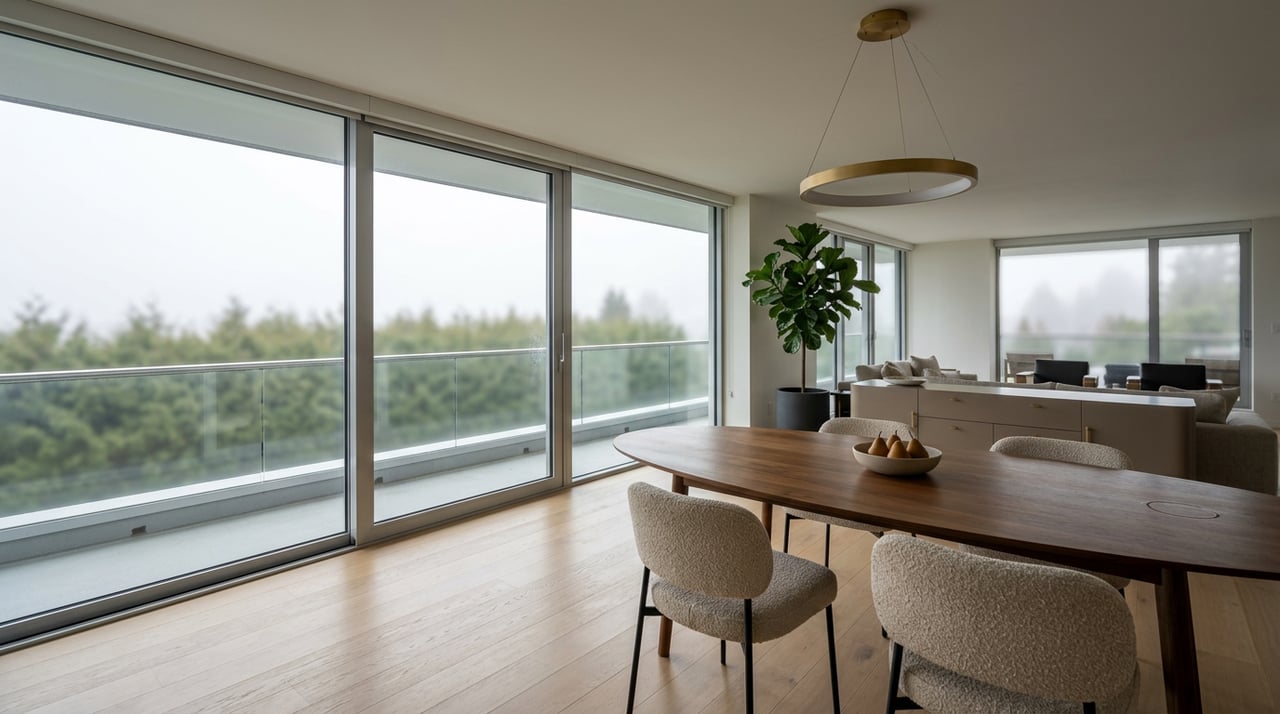
Snoqualmie Ridge features newer construction, sidewalks, parks, and pocket retail centers. You’ll find a mix of modern single-family homes and some townhomes. It has a planned community feel, with homeowner associations that manage neighborhood standards and amenities. If you like newer layouts, attached garages, and nearby parks, the Ridge is worth a look.
Close to Snoqualmie Falls, the historic downtown area offers a small-town main street experience. You’ll see local restaurants, shops, and visitor activity, especially on weekends. Housing here may include older homes with unique character and smaller lots compared with many Ridge properties. If you enjoy walkable streets and historic charm, this area can be a good fit.
Beyond the city limits, the broader Valley includes larger parcels, hobby farms, and more separation between homes. Expect a quieter setting, more open space, and a stronger rural character. If you want room for gardens, animals, or extra outbuildings, the Valley may match your goals. Make sure you review zoning, septic systems, and any floodplain considerations before you buy.
You’ll find everyday conveniences in town, with additional options a short drive away.
Local grocers and small retail clusters handle day-to-day needs. The dining scene includes cafes and restaurants, with a visitor bump near the Falls. For broader shopping and more diverse dining, you’ll likely drive to Issaquah or Bellevue.
Snoqualmie offers a local library branch, community programming, and seasonal events and farmers markets. The city’s parks and sports fields are well used for recreation, and volunteer groups and local organizations help build connections.
Public schools are served by the Snoqualmie Valley School District. Elementary, middle, and high schools serve the city and surrounding Valley, with Mount Si High School as a central hub for many students. Families often review school boundaries and enrollment capacity as part of their home search.
You’ll find clinics and urgent care for routine needs in and near Snoqualmie. For full-service hospitals or specialty care, many residents go to Issaquah, Bellevue, or Seattle. Police and fire services cover the city, and response times in rural areas can be longer due to distance.
The daily drive is a key factor for many buyers, and it varies with time of day and weather.
Interstate 90 connects Snoqualmie to Issaquah, Bellevue, and Seattle. Peak-direction traffic can slow your commute, especially during typical rush hours. In winter, snow and ice can affect local roads and the Snoqualmie Pass corridor, so plan for weather flexibility.
Public transit is available but less frequent than in central Eastside cities. Some routes connect to regional hubs, and peak-hour options may be the most convenient. There is no light rail service into Snoqualmie at this time, so most commuters rely on driving, carpooling, or telecommuting.
Outdoor access is a standout feature that draws many people to Snoqualmie.
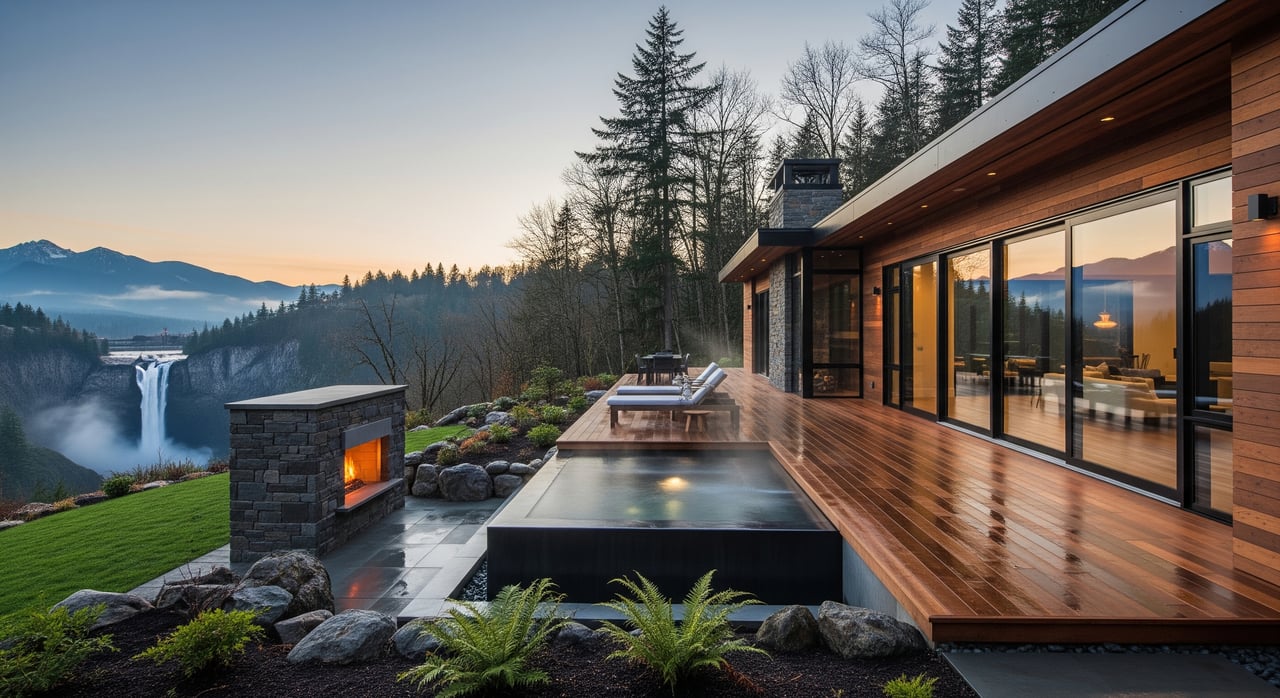
Snoqualmie Falls is an iconic Pacific Northwest landmark. You can take in viewpoints, short walks, and nearby park spaces. Expect more visitors on weekends and during peak tourist seasons.
You’ll have quick access to trails and riverfront areas. The Snoqualmie Valley Trail links towns across the Valley for walking and biking. Nearby hikes, including popular trails in North Bend, offer everything from casual strolls to more challenging climbs.
Snoqualmie Pass sits a short drive east and offers downhill and Nordic skiing and snowboarding. You can head up for a half-day or a quick evening session after work. This access makes winter recreation part of normal life for many residents.
Snoqualmie has a classic Pacific Northwest climate with mild, wet winters and warm, relatively dry summers. Rain is common in fall and winter, which keeps the area green and the rivers flowing. Summer is the driest season and a favorite time for outdoor events, hiking, and gardening.
Seasonal changes affect daily routines. You may plan for good drainage and moisture control at home, especially in low-lying areas. Many residents keep winter driving gear handy and follow weather updates during storm cycles.
Snoqualmie can be a good match if you want suburban comfort with fast outdoor access. You get sidewalks, parks, and playfields in newer neighborhoods, and historic charm and small-town character near downtown. If you prefer more space and privacy, the Valley offers acreage and rural living within reach of Eastside jobs. With the right guidance, you can weigh these trade-offs and choose the setting that fits your lifestyle.
Ready to explore homes, compare neighborhoods, and map out commute options with a local guide who knows the details? Reach out to Realtor Keren for clear, personalized advice and next-step planning.
Stay up to date on the latest real estate trends.
Dedicated to helping you find the right fit—with honesty, energy, and heart.