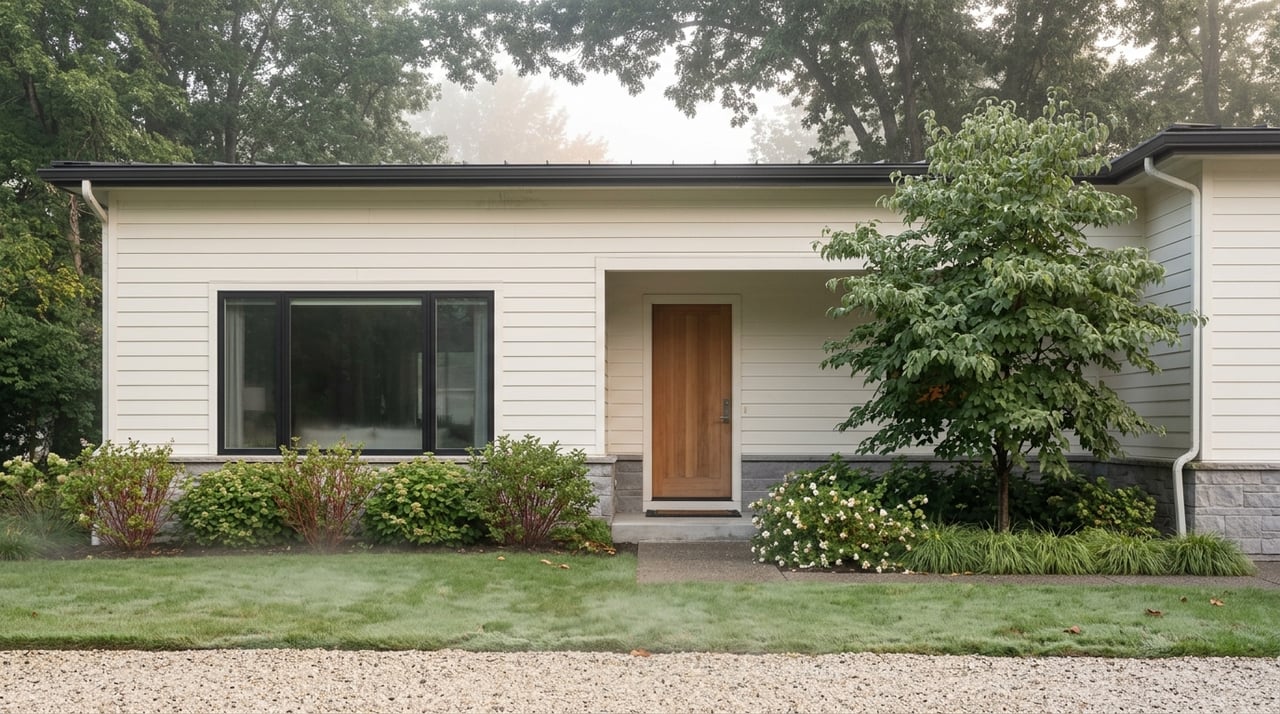
Craving more space, quiet mornings, and room for gardens or animals without giving up Eastside access? If you have been eyeing acreage near Carnation, you are not alone. Many buyers want a rural feel with a realistic commute to Bellevue or Seattle, plus the flexibility to build out their lifestyle. This guide breaks down how acreage purchases work here, what systems to check, and the steps that protect your budget and plans. Let’s dive in.
Why buy acreage near Carnation
Carnation sits in the Snoqualmie Valley in northeast King County, close enough to major Eastside job centers for many daily commuters. You will find bigger yards, privacy, and a slower pace. You will also trade some convenience for independence, since many properties rely on private wells, septic systems, and private roads.
If you plan to commute, expect drive distances in the 20 to 30 mile range depending on your route and start time. School boundaries vary across the valley, and the area around Carnation falls within the Snoqualmie Valley School District. Always verify the exact school boundary for a specific address.
City parcels vs. rural acreage
Understanding whether a property is inside Carnation’s city limits or in unincorporated King County shapes almost every decision.
Inside city limits: utilities and simplicity
Many in-town parcels are on smaller lots and are typically served by public water and a city vacuum sewer collection system with county treatment. If you want lower-maintenance utilities and predictable services, in-city homes can simplify ownership. Still, service maps change over time, so always confirm availability and connection policies with the City before you buy.
Outside city limits: RA zoning and more independence
Acreage outside Carnation usually sits in Rural Area (RA) zoning, which preserves rural character and limits density. Common designations include RA-2.5, RA-5, and RA-10. The exact zoning determines allowed uses and minimum lot sizes. Most rural parcels rely on private wells and on-site sewage systems. Buffers for streams and wetlands, groundwater, and slopes can all limit where you can build or place a future drainfield, so mapping and early due diligence are key.
Wells and septic: what to verify early
If the property uses a private well, plan on water testing. Washington State recommends annual checks for coliform bacteria and nitrate, plus periodic tests like arsenic depending on the area. Lenders may require specific test panels during a sale. Ask the seller for the well log and pump service history.
For septic systems, King County has clear rules at time of sale. Sellers must have a licensed professional inspect the system and file a report with Public Health. You should review operation and maintenance records, as-built drawings, and any repair history. If records are missing, plan for a thorough inspection before you remove contingencies.
Site constraints that matter on acreage
Carnation sits in a beautiful valley shaped by the Snoqualmie River and its tributaries. That setting comes with parcel-specific constraints you should check before you fall in love with a view.
- Floodplain and river influence. Floodplain designation can affect insurance, usable area, and septic siting. If a parcel is near the river or a tributary, dig deeper into the maps and elevations.
- Streams, wetlands, and steep slopes. Critical-area rules set buffers and setbacks that can shrink your buildable envelope. For challenging sites or new construction plans, a soils professional and a perc test can save you from costly surprises.
- Wildland-Urban Interface and hydrant coverage. The Snoqualmie Valley includes WUI areas where wildfire risk and access planning matter. Hydrant spacing, driveway design, and defensible space can influence insurance and safety.
Services and connectivity: power, gas, and internet
Provider coverage for electricity, natural gas, and broadband changes block by block. Do not assume you will get fiber or natural gas just because neighbors mention it. Confirm providers at the service address and review your back-up power plans if you work from home. In some rural pockets, buyers use fixed wireless or satellite internet. Always confirm speeds and equipment needs before you count on them for daily work.
Maintenance and budgeting on acreage
Acreage living brings a different rhythm to home care and budgeting. Expect the following ongoing tasks and costs:
- Septic inspections and pumping. Monitoring and maintenance are required, and many gravity systems call for inspections every few years. Systems with garbage disposals often need more frequent attention.
- Well care and testing. Plan for annual bacteria and nitrate tests and periodic service on the pump and pressure system.
- Roads and winter access. Private roads and shared driveways often rely on owner groups for grading, dust control, and plowing. Confirm recorded maintenance agreements and who handles storm response.
- Insurance and utilities. Distance to a fire station, hydrant availability, and flood or wildfire exposure can affect both insurability and price. Get quotes early so you can budget with confidence.
Practical buyer checklist
Use this checklist to focus your due diligence. Each link goes to an official city, county, or state resource so you can verify details yourself.
- Confirm zoning and allowed uses for the parcel. Review King County’s zoning code for Rural Area standards and density. Read the King County zoning code in Title 21A: King County Title 21A zoning.
- If served by a septic system, review time-of-sale and O&M requirements. Licensed maintainers must inspect and submit reports to Public Health. See the county rules here: King County OSS rules and time-of-sale.
- Find septic applications, forms, and professionals. Use the county’s page to locate designers, pumpers, and fee information: On-site sewage systems applications and forms.
- Order private well water testing if applicable. Washington State recommends annual bacteria and nitrate tests, plus region-appropriate checks like arsenic: WA DOH well testing guidance.
- Check floodplain status and base flood elevations. Review FIRM maps for the Snoqualmie Valley to understand insurance and building implications: King County flood insurance rate map (FIRM) PDF.
- Verify parcel boundaries and critical-area layers. King County’s iMap shows zoning, flood, and other constraints at the address level: King County iMap.
- Confirm municipal utilities if inside Carnation. Review the city’s Utilities Element to understand water, sewer, and connection considerations: City of Carnation Utilities Element.
- Assess wildfire considerations and hydrant coverage. Learn about the Wildland-Urban Interface and preparedness in the area: Eastside Fire & Rescue WUI guidance.
- Confirm any farm or open-space tax classification. Current-use programs can affect your annual taxes and potential rollback taxes: King County Title 20 tax and assessment provisions.
- Verify school district information for your address. Carnation is within the Snoqualmie Valley School District; always confirm the boundary for a specific property: Snoqualmie Valley School District.
Move forward with a local guide
Buying acreage near Carnation is exciting, but success comes from careful planning. When you pair clear goals with address-level checks on zoning, utilities, flood risk, and maintenance needs, you protect your budget and your timeline. If you want a local, relationship-first guide who will translate these details into a smooth plan, reach out to Realtor Keren. From buyer representation to local market consulting, you will get timely answers, practical resources, and clear next steps.
FAQs
What does RA zoning like RA-5 or RA-10 mean near Carnation?
- RA designations set rural density and allowed uses, with the number indicating the general lot-size framework; confirm specifics for any parcel in King County Title 21A.
How do I check if a Snoqualmie Valley property is in a floodplain?
- Review the county’s flood insurance rate maps and then confirm details like base flood elevation using the King County FIRM map PDF.
What septic inspections are required at time of sale in King County?
- Sellers must obtain a performance inspection by a licensed maintainer and submit reports and fees to Public Health per King County OSS rules.
How should I test a private well when buying near Carnation?
- Order certified lab tests for coliform bacteria and nitrate, and consider arsenic based on local guidance as outlined by the WA DOH well testing page.
Are there wildfire or hydrant coverage issues on rural acreage?
Do homes inside Carnation typically have sewer and water service?
- In-town parcels are generally served by public water and a vacuum sewer collection system with county treatment, but always confirm service and connection policies in the City of Carnation Utilities Element.