Guide To River And Rural Living In Fall City
May 14, 2026
May 14, 2026
Thinking about trading a typical suburb for river views, open space, and a slower daily rhythm? Fall City offers a different kind of East King County lifestyle, one shaped by rural character, local traditions, and easy access to the outdoors. If you are wondering what it is really like to live here, this guide will walk you through the setting, housing patterns, daily life, and what to consider before you buy. Let’s dive in.
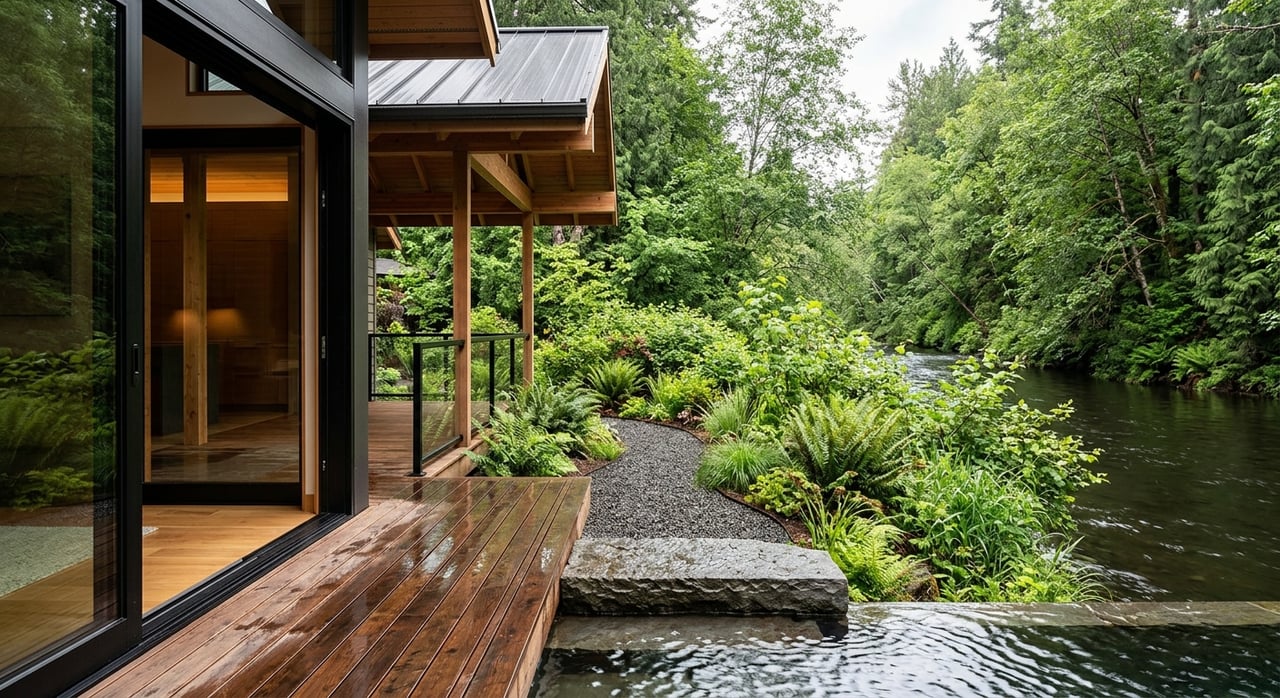
Fall City is a historic, unincorporated rural town in King County's Snoqualmie Valley, set along the Snoqualmie and Raging Rivers. Because it is unincorporated, community life is supported in large part by local volunteer-led groups like the Fall City Community Association and the Fall City Metropolitan Park District.
That local structure shapes the feel of the town. Instead of a highly built-out suburban environment, Fall City is defined by open space, natural landscape, and a rural-small-town identity. King County planning for Fall City focuses on preserving rural character, modest growth, and the valley setting rather than pushing toward suburban-scale density.
In Fall City, the landscape is a major part of everyday life. Roads, homes, parks, and gathering places tend to fit into the valley rather than dominate it. That is an important distinction if you are comparing Fall City with nearby suburban communities.
For many buyers, this is the main draw. You may find that the appeal is not just the home itself, but the feeling of space, scenery, and connection to the outdoors that comes with the location.
Fall City has a compact commercial core centered along State Route 202. King County describes this corridor as the town's main street, with commercial businesses, sidewalks, and angle parking.
You will find a small collection of practical everyday spots here, including restaurants, gas stations, and a small grocery option. According to the community association, Farmhouse Market is the only grocery store in the Fall City area. This is part of what gives the town its established, small-scale feel.
Rather than large shopping centers or major entertainment districts, Fall City revolves around a handful of local places and recurring community events. Traditions like Fall City Day, Friday markets, the Apple Festival, holiday festivities, and the historic walking tour help define the local rhythm.
If you enjoy a setting where community identity is tied to annual events and familiar gathering places, Fall City stands out. The social energy here tends to feel grounded and local rather than fast-paced and commercial.
One of Fall City's biggest lifestyle advantages is how closely daily life connects with trails, parks, rivers, and open space. If outdoor access matters to you, this is one of the strongest reasons to look here.
The Snoqualmie Valley Trail runs through the area and passes working farms, preserved open space, Tolt-MacDonald Park, and the Tokul Trestle. Fall City Community Park adds even more outdoor options, including a baseball field, horse arena, open space, river access, and an interpretive trail.
In Fall City, river and trail access are not just weekend extras. They are part of the area's identity and day-to-day lifestyle. Many buyers are drawn to the idea that nature is woven into regular routines, whether that means walking local trails, visiting parks, or spending time near the river.
There are also a few practical details to know. The community association notes that many convenient river access points require a Discover Pass, and those passes are not sold in town. Planning ahead can make outings easier.
Fall City is not a one-style market. County planning materials point to a mix of housing types and densities that are meant to stay compatible with community character and historic resources.
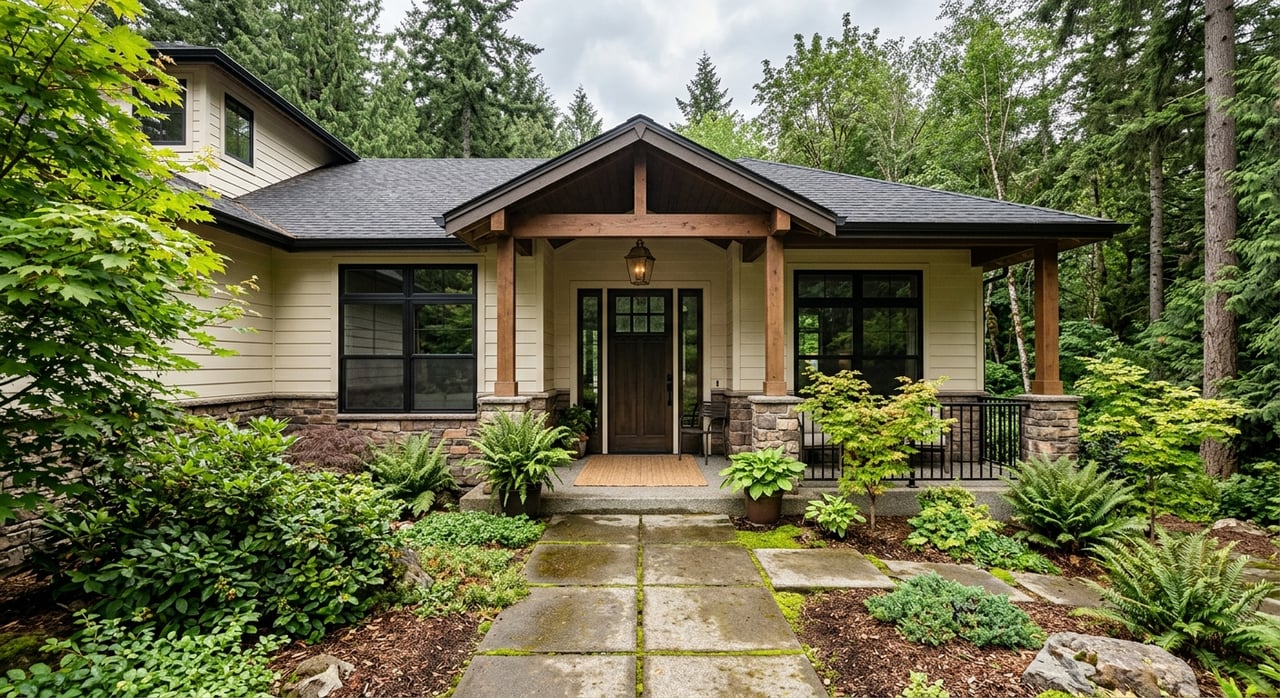
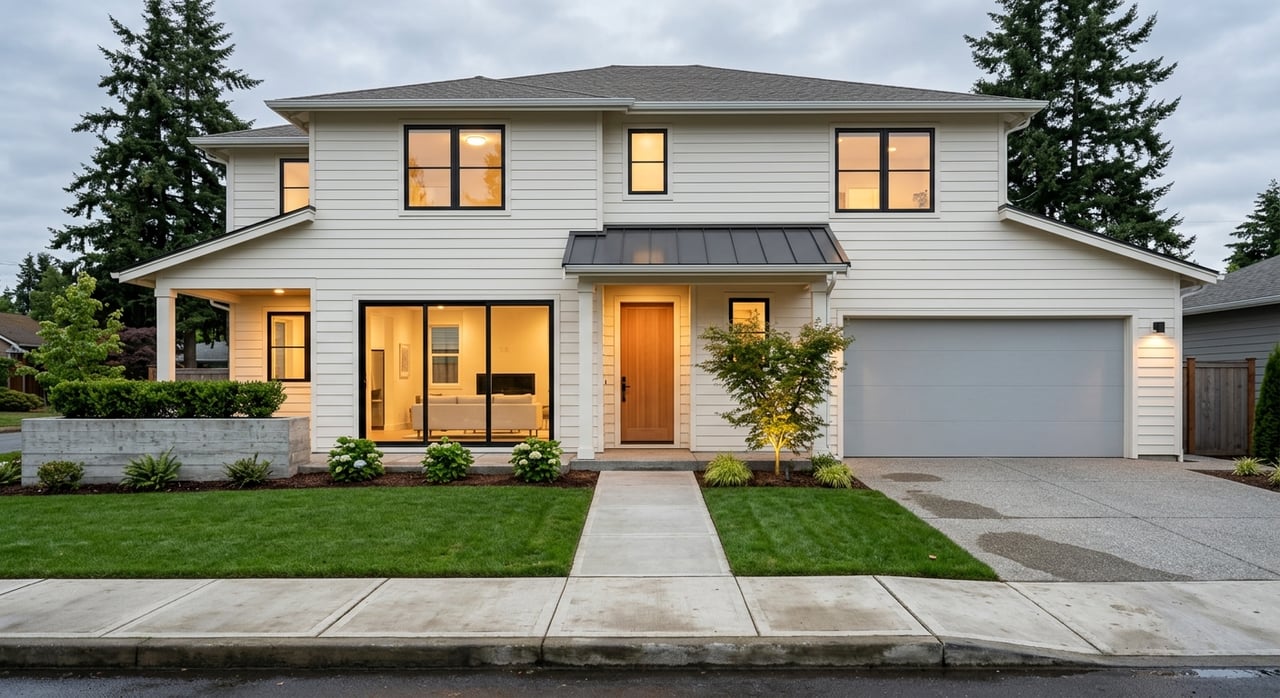
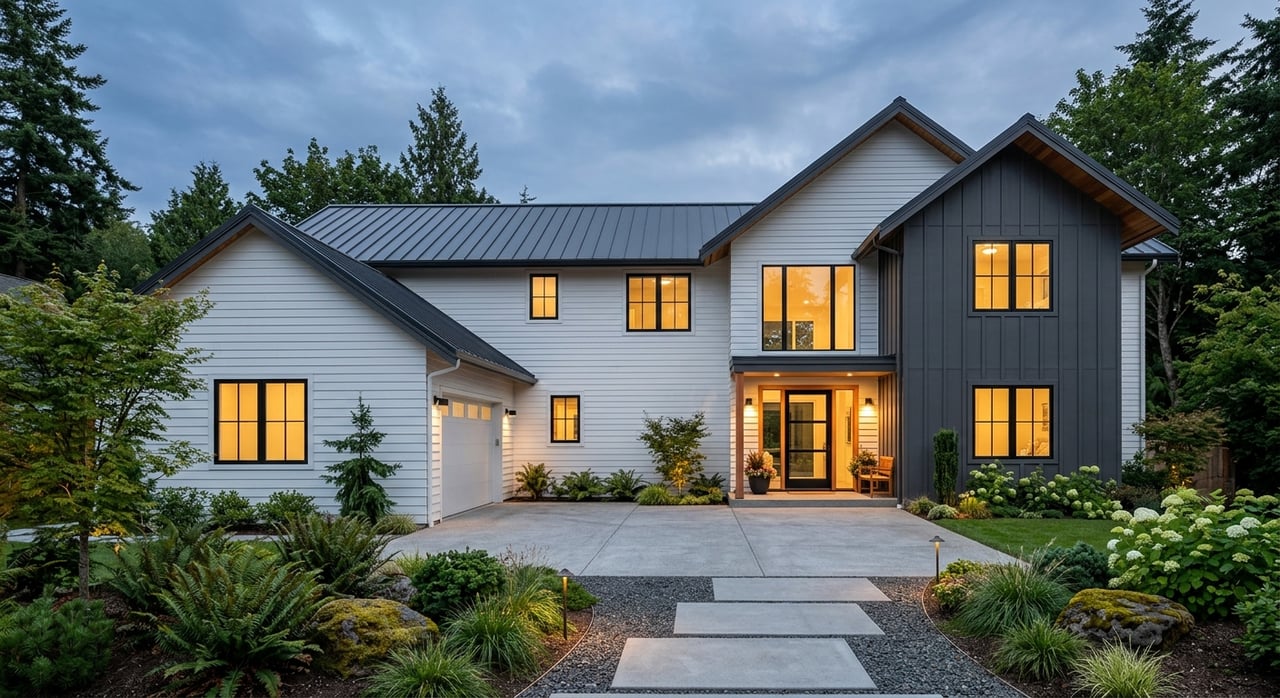
That means you may see a range of property settings, from homes near the small-town core to rural residential lots and larger-lot or acreage-style properties. Buyers often compare homes here by the setting, lot layout, and surrounding pattern as much as by square footage or interior finishes.
The broader valley is shaped by the Snoqualmie River, the Tolt River, water access, slopes, views, and development constraints identified in county assessor materials. In practical terms, that helps explain why one property can feel very different from another, even within the same general area.
Some homes may offer a stronger connection to open space, while others may sit closer to the compact core or established roads. In Fall City, the land often plays a major role in how a home lives.
King County adopted an interim zoning ordinance for residentially zoned land in Fall City in 2023 while evaluating whether newer subdivision patterns, lot sizes, setbacks, and building scale were still aligned with rural character. County materials specifically note the contrast between older land divisions and some newer clustered-lot patterns that can feel more suburban.
For you as a buyer, that means it is smart to look beyond finishes and floor plans. The neighborhood pattern, lot configuration, and overall setting can have a big impact on whether a property feels like the version of Fall City you are hoping to find.
Fall City offers regional road access while still feeling distinctly rural. State Route 202 connects the area west toward Redmond and Sammamish, and State Route 203 begins near Fall City and runs north through Carnation and Duvall.
That road network supports commuting and daily errands, but the built environment remains small-town in scale. If you are used to denser retail corridors or highly planned suburban neighborhoods, Fall City will likely feel quieter and more landscape-driven.
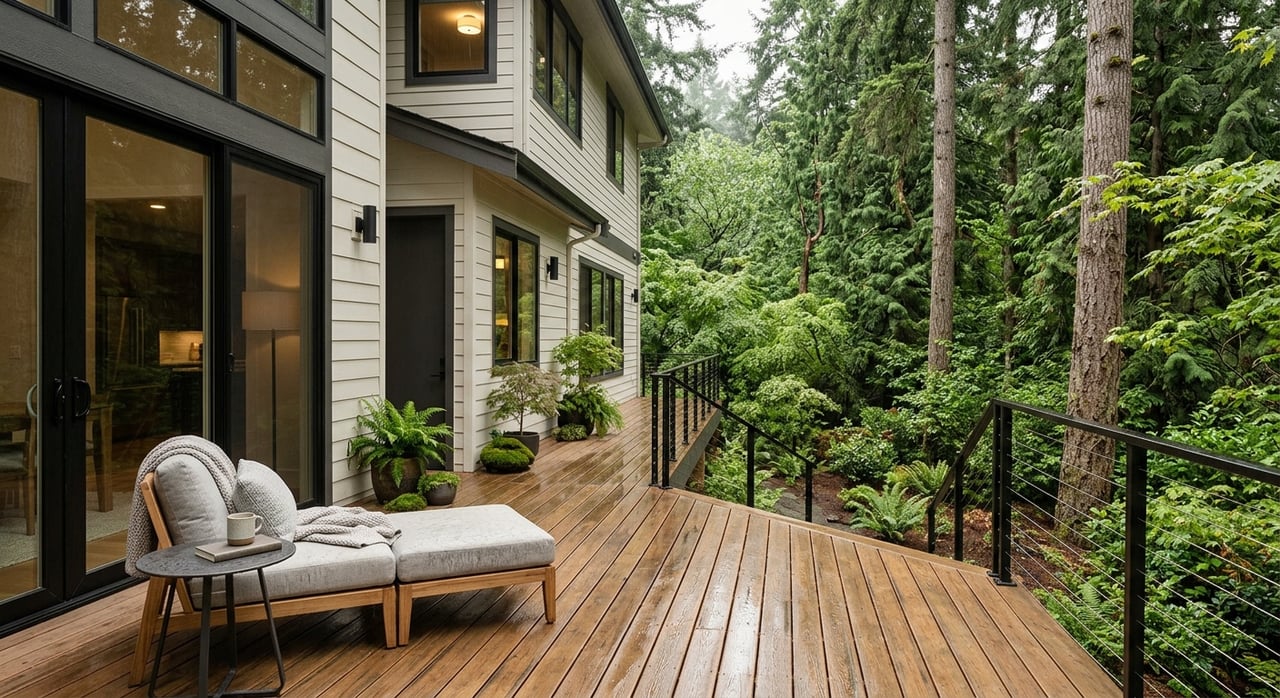
Living near the river can shape the atmosphere in subtle ways. The community association notes that the valley can feel cooler and foggier than surrounding areas. For many residents, that is simply part of the local rhythm and part of what gives Fall City its distinctive setting.
This is a place where daily life may feel more tied to weather, open land, and outdoor conditions than in a conventional suburb. For the right buyer, that can be a real advantage.
Fall City Elementary is located in town, and the Snoqualmie Valley School District serves Fall City, Snoqualmie, North Bend, and nearby unincorporated areas. For many households, that means schools are part of the local fabric rather than a completely separate destination.
When evaluating an area, it helps to understand how community services fit into daily life. In Fall City, the school presence is one more sign that this is a lived-in local community, not just a scenic pass-through area.
Fall City can be a strong fit if you want more space, more outdoor access, and a setting that feels connected to the valley landscape. It may also appeal to buyers who value a compact town center, established local traditions, and housing options that do not feel cookie-cutter.
At the same time, it is helpful to go in with the right expectations. Fall City is not built around large retail centers, dense new development, or a suburban master-plan feel. Its appeal is more organic, more rural, and more place-specific.
If you are serious about buying in Fall City, it helps to evaluate each property through a rural-living lens. Two homes with similar size or price can offer very different day-to-day experiences based on lot shape, surrounding land, road access, and connection to the community core.
A few things to keep in mind include:
Buying in Fall City is often about matching the property to the lifestyle you want, not just checking off features on a list.
If you are exploring Fall City and want a local perspective on how specific homes, lots, and micro-areas compare, Realtor Keren can help you make sense of the options with clear, neighborhood-focused guidance.
Stay up to date on the latest real estate trends.
Dedicated to helping you find the right fit—with honesty, energy, and heart.